Large ESS industrial use: Guide to stabilize power supply
"The transition to a cleaner grid depends on our ability to store energy when the sun is shining and the wind is blowing."
Large-scale energy storage systems are becoming the backbone of modern power grids to manage the variability of renewable sources.
This guide explores how these technologies stabilize power, the massive growth expected in the market, and the comparison between traditional and emerging storage methods.
Key takeaways: * Global battery storage capacity is projected to grow nearly 15-fold by 2030. * Pumped-storage hydroelectricity remains a massive provider of power and energy. * Industrial investments are fueling new testing and commercialization centers.
How is Large ESS Industrial Use changing the grid?
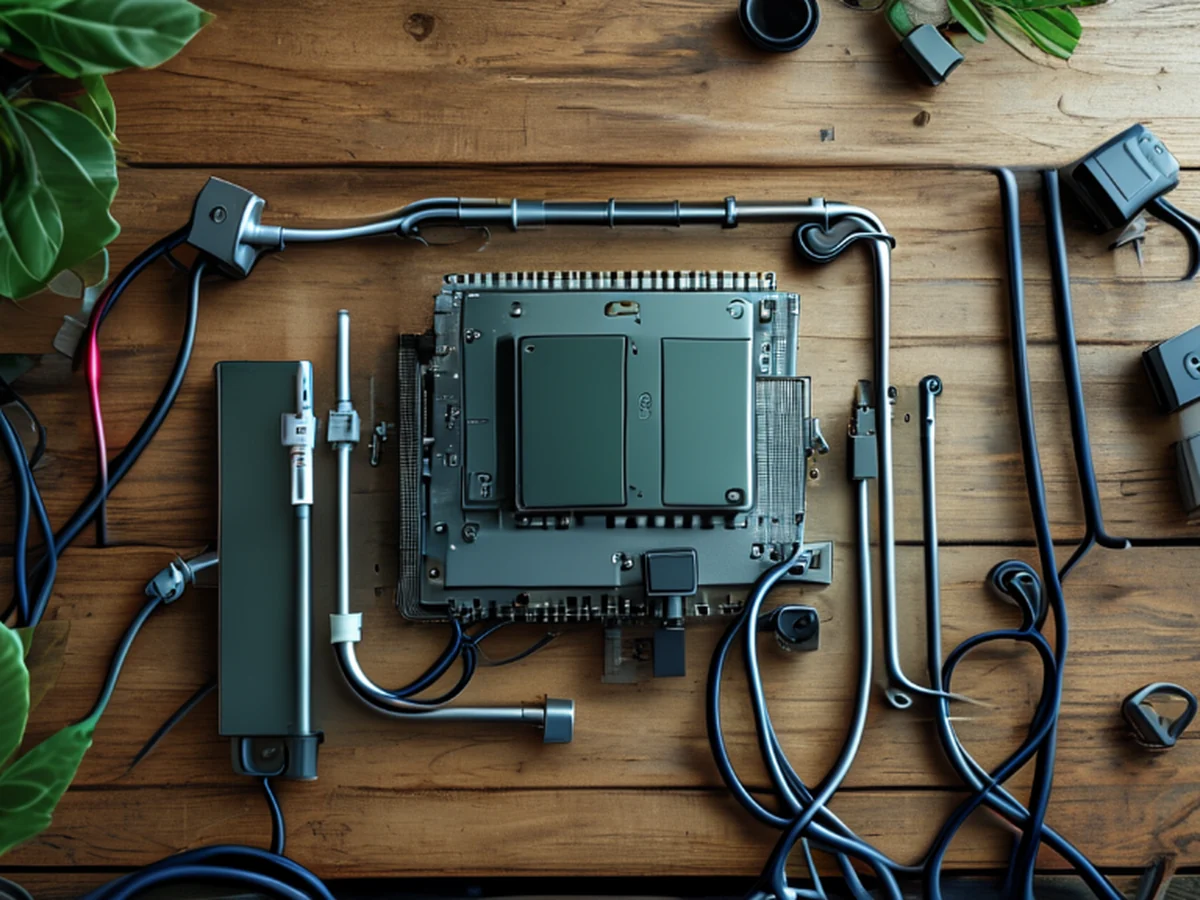
A technician monitors a control panel as large battery banks discharge power to stabilize a local distribution network. This process of managing supply and demand through large-scale energy storage systems ensures that the grid remains steady despite the intermittent nature of renewable energy.
The scale of this technology is expanding rapidly to meet global needs. According to the International Energy Agency (IEA), global battery storage capacity is expected to increase nearly 15-fold between 2021 and 2030, driven by falling costs and increased investment in clean infrastructure.
This rapid growth is essential for scaling up renewable power across different regions.
The integration of these systems allows for more reliable energy delivery. As more wind and solar plants come online, the ability to store excess energy becomes a necessity for grid stability. This shift turns intermittent sources into a predictable resource for the utility-scale market.
In this sequence, the first step is the most critical.
What role does renewable energy storage play in modern power?
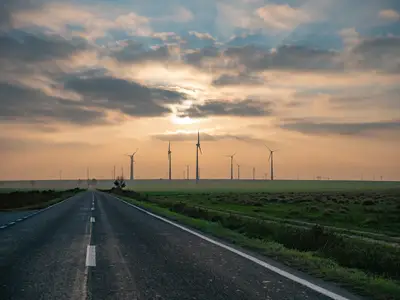
In the windy field, an engineer feels the cold breeze as she adjusts the settings on a large battery array to capture the shifting energy.
An engineer adjusts the settings on a massive battery array located near a wind farm to capture surplus electricity. Integrating renewable energy storage into the existing infrastructure helps mitigate the challenges posed by weather-dependent energy production.
The current landscape shows a mix of established and emerging technologies.
This competition and cooperation between methods drive the smart grid ESS role.
Large-scale assets are being developed to handle these shifts.
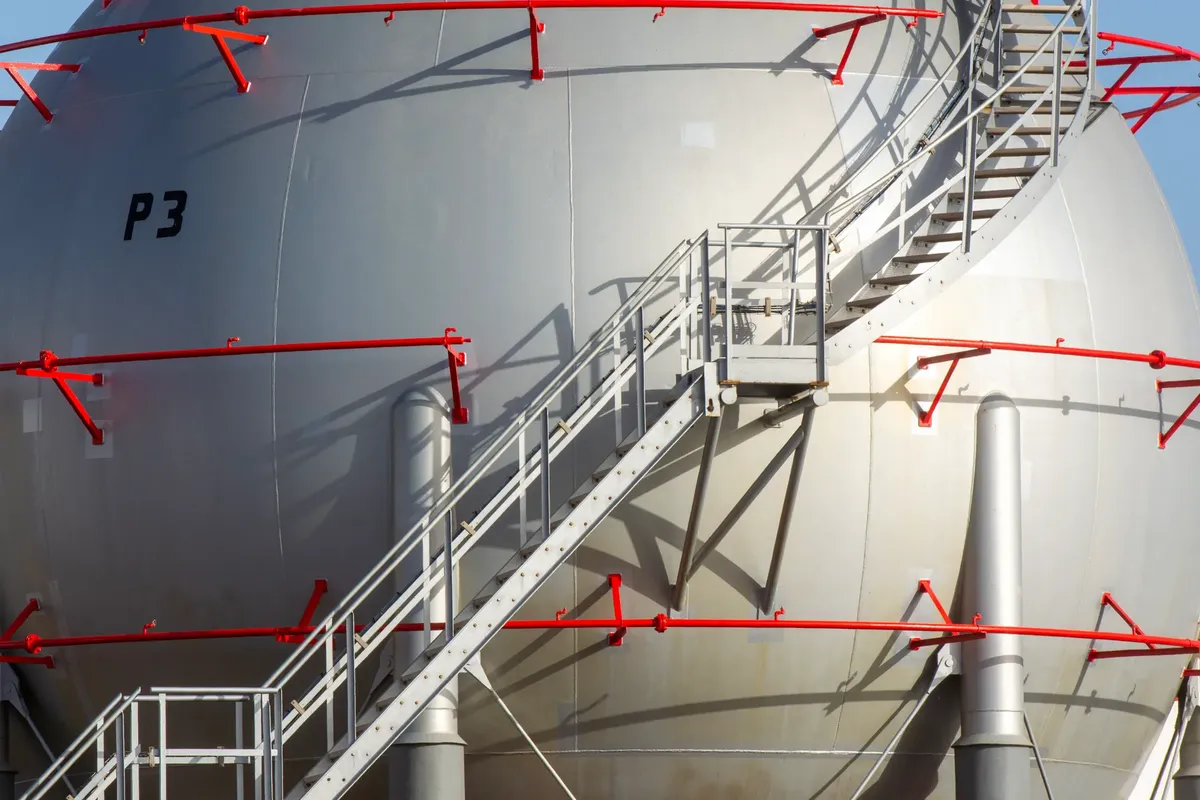
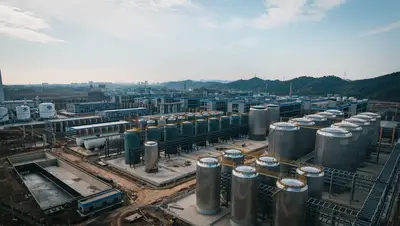
The development of new facilities, such as the $23 million New York Battery and Energy Storage Technology (NY-BEST) Test and Commercialization Center at Eastman Business Park in Rochester, New York, provides the infrastructure needed for testing.
Such facilities support the scaling up of renewable power through rigorous technical validation.
- Capture excess energy during peak production.
- Store electricity for periods of low generation.
- Discharge power to meet sudden demand spikes.
How do we manage the smart grid ESS role?
A grid operator watches a digital map of the regional power flow to balance loads during peak hours. Managing the flow of electricity requires precise timing and high-capacity storage to prevent outages and manage the power market ESS impact.
The technical requirements for these systems involve managing both power and energy capacity. While some systems focus on rapid response to frequency changes, others provide long-duration storage to bridge gaps in production. This versatility is a key component of the smart grid ESS role.
Reliability is maintained through diverse technology mixes. By combining fast-acting batteries with long-duration solutions, operators can ensure a steady supply. This multi-layered approach is necessary to manage the complexities of modern energy markets.
In this sequence, the second step is the longest.
How does scaling up renewable power compare to traditional methods?
A worker inspects the massive turbines of a hydroelectric dam that serves as a giant natural battery. Comparing different storage technologies reveals the strengths and weaknesses of each approach for large-scale deployment.
According to an impact assessment carried out for the European Commission, the levels of energy efficiency of coal-fired plants built have now increased to 46–49% efficiency rates, as compared to coals plants built before the 1990s (32–40%).

Traditional methods like pumped-storage have long been the standard for bulk energy movement. However, the rise of battery technology offers more flexibility and faster response times. This transition is central to the process of scaling up renewable power.
The following table compares the scale of established pumped-storage with the projected growth of battery systems:
| Technology | Capacity/Growth Metric |
|---|---|
| Pumped-storage (PSH) | 200 GW power and 9000 GWh energy storage |
| Battery Storage | Nearly 15-fold increase by 2030 |
I observed that the rapid deployment of modular battery systems allows for much faster installation than traditional hydro projects. While hydro provides massive capacity, batteries can be placed closer to the point of consumption.
What are the industrial ESS applications?
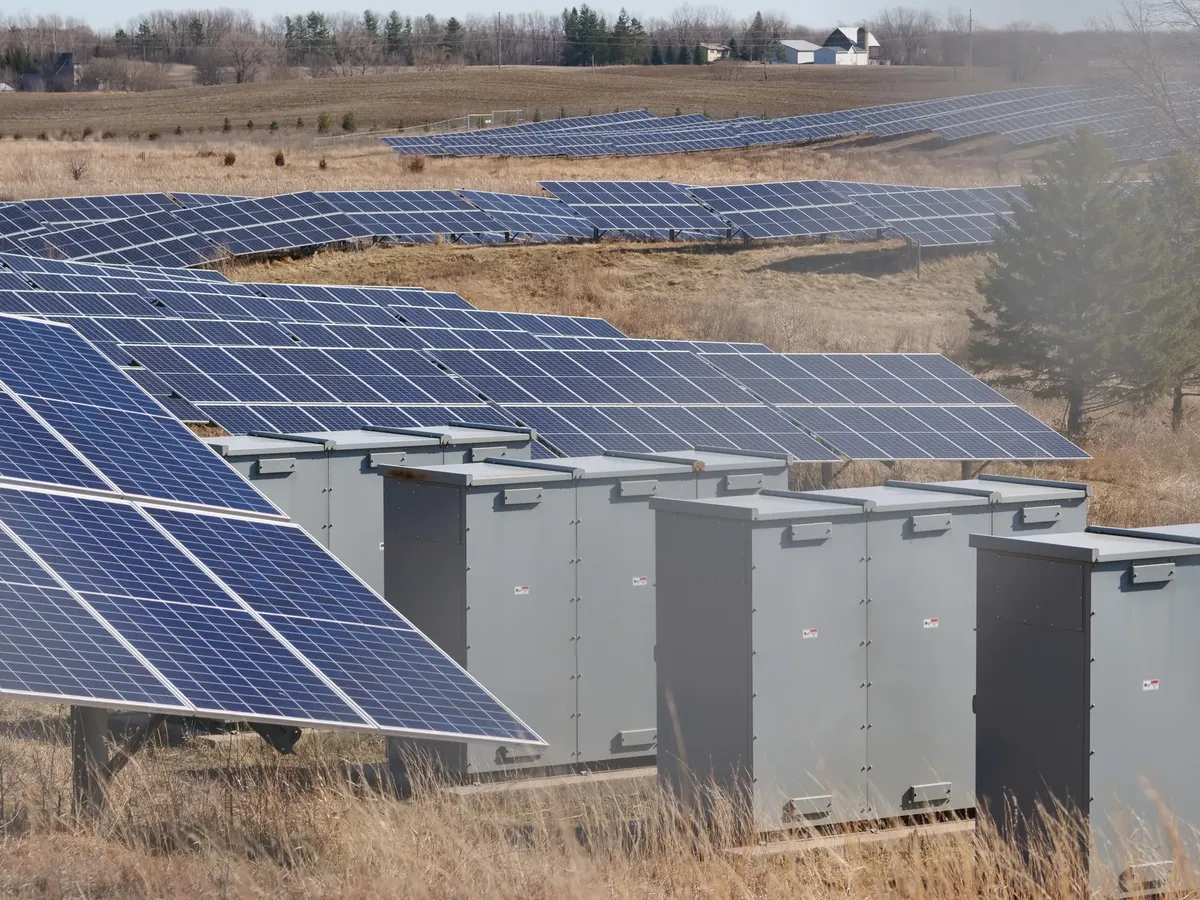
A maintenance crew performs routine checks on a containerized battery system installed at an industrial site. Various industrial ESS applications allow factories and large-scale facilities to manage their own energy costs and reliability.
Large-scale facilities often require their own dedicated storage to manage peak demand charges. This can involve using large-scale battery systems to shave peaks or providing backup power during outages. These industrial ESS applications are becoming more common as electricity prices fluctuate.
The deployment of these systems often requires specialized facilities. For instance, the 1,700 m2 laboratory at the NY-BEST center in Rochester is designed to facilitate this type of commercialization. This support is vital for the successful implementation of industrial ESS applications.
How do we ensure grid stability?
A control room technician adjusts a slider on a touchscreen to balance the load between two different power sources. Ensuring a steady flow of electricity requires constant adjustment to account for the variable nature of modern energy sources.
One of the primary functions of these systems is to provide frequency regulation and voltage support. By injecting or absorbing power almost instantaneously, storage systems can prevent the kind of fluctuations that lead to blackouts. This capability is essential for ESS for grid stability.
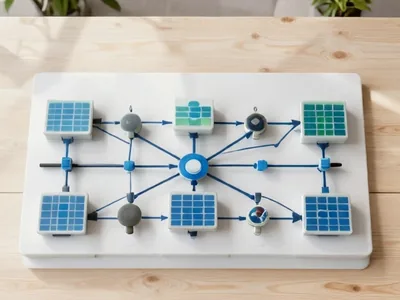
The complexity of the grid increases as more distributed energy resources are added. Advanced software and hardware must work in tandem to manage these assets. This synergy is what allows for the successful integration of massive amounts of renewable energy into the national grid.
The subject here is Large ESS industrial use.
The same subject is also called Grid integration ESS.
Related



Comments 0