Wind power efficiency grid integration: How to boost output
"The maximum theoretical power output of a wind machine is thus 16/27 times the rate at which kinetic energy of the air arrives at the effective disk area of the machine."
Maximizing kinetic energy extraction while managing the variable nature of atmospheric conditions is essential for wind power efficiency grid integration. This guide explores how modern turbine technology and strategic repowering can optimize energy output and support stable power delivery.
Key takeaways include understanding the Betz limit, evaluating the benefits of repowering existing sites, and recognizing the impact of weather stability on efficiency.
How can we maximize wind energy power output?
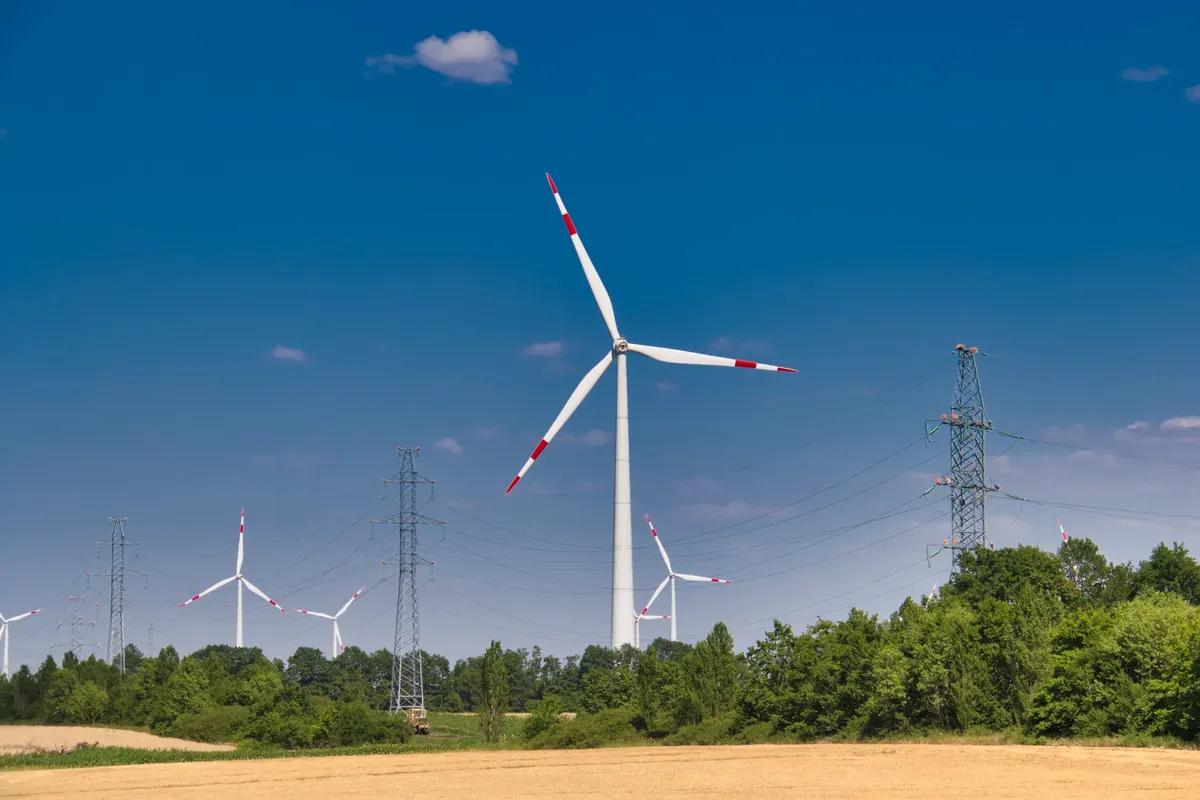
In the quiet morning, the engineer brushes a hand over the smooth turbine blade to feel the subtle vibration of the oncoming wind.
An engineer stands before a massive turbine blade, calculating the kinetic energy of the moving air against the surface area of the rotor. To understand the limits of this technology, one must look at the fundamental physics of wind capture.
To achieve effective grid integration, developers must consider the theoretical limit of wind power efficiency defined by Betz's law, which dictates that the maximal achievable extraction of wind energy is approximately 59.3% of the kinetic energy arriving at the turbine, a factor critical for improving wind turbine efficiency and reducing wind farm costs.
This coefficient represents the ceiling for how much energy can be captured from the wind.
In 2001, commercial utility-connected turbines were already delivering 75% to 80% of this Betz limit at rated operating speeds. While these machines are highly efficient, they cannot capture 100% of the wind's energy because some velocity must remain to allow the air to pass through the turbine.
This physical constraint remains a primary focus for engineers seeking to improve wind energy power output.
- Optimize blade pitch and yaw control.
- Implement advanced aerodynamic enhancements.
- Utilize predictive maintenance algorithms.
How weather affects wind power efficiency and grid integration A technician monitors a flickering screen showing fluctuating wind speeds across a vast wind farm. The erratic movement of air creates challenges for maintaining a steady flow of electricity to the local power grid.
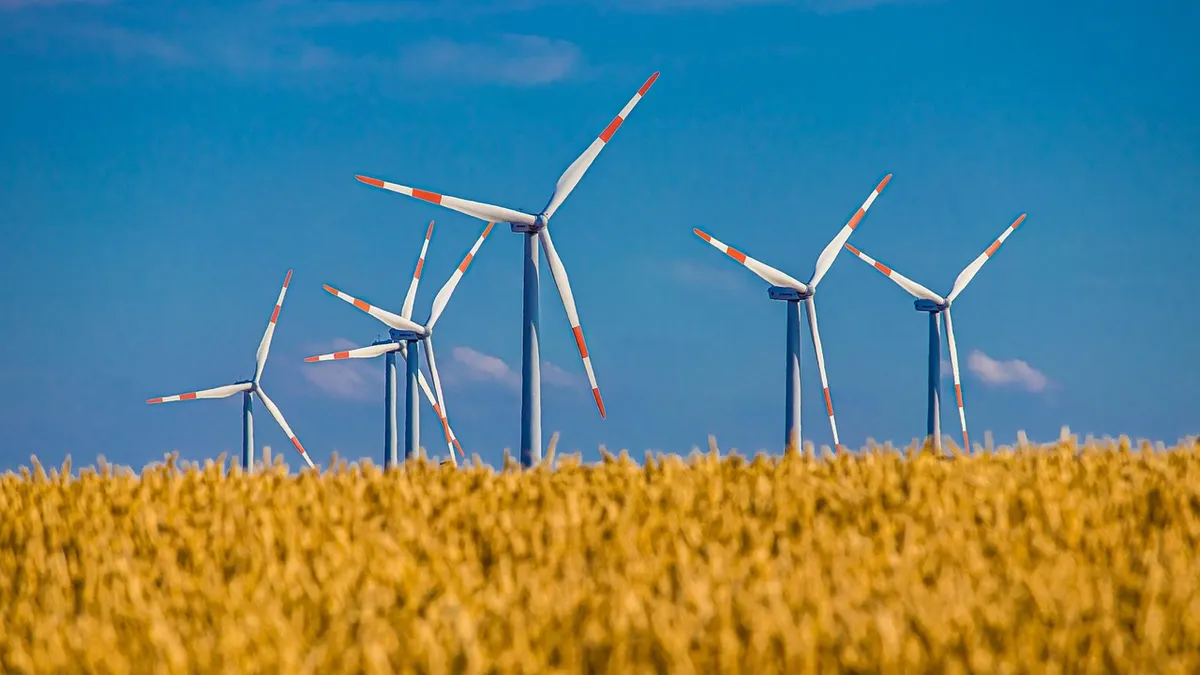
Weather stability is a critical factor in managing the variable nature of wind. Generally, more stable and constant weather conditions, such as consistent wind speed, result in an average of 15% greater efficiency compared to unstable weather conditions.
Under these stable conditions, it is possible to see up to a 7% increase in wind speed.
These variations directly impact how much energy can be reliably fed into a network. Because atmospheric conditions change constantly, managing the transition between high and low wind speeds is essential for smooth grid integration wind tech.
Maintaining stability helps prevent sudden drops in power that could disrupt the electrical supply to homes and businesses.
In this sequence, the second point is the most extensive.
How does repowering improve renewable energy scaling?
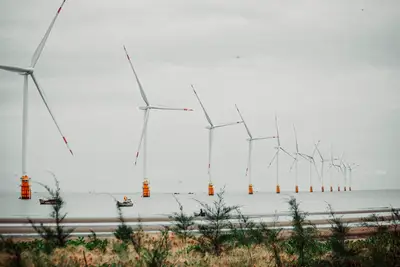
A construction crew works on an old wind farm site, replacing aging blades with modern, high-performance components. This process of upgrading existing infrastructure is a key strategy for expanding capacity without needing new land.
Repowering provides a pathway for renewable energy scaling by upgrading older sites with modern technology. For example, by 2007, California had repowered 365 MW of wind plants, though this was only 20% of the potential 1,640 MW capacity available for upgrades.
| Metric | California Repowered Capacity (2007) | Potential Upgrade Capacity (2007) |
|---|---|---|
| Capacity in MW | 365 MW | 1,640 MW |
By replacing older turbines with newer, more efficient models, operators can significantly increase the energy yield of an existing site. This strategy allows for higher density and better output from the same geographic footprint.
Is upgrading my wind farm worth it? A project manager reviews a map of an aging wind farm, identifying which turbines are ready for replacement. The goal is to turn an older, less efficient site into a high-performing energy hub.
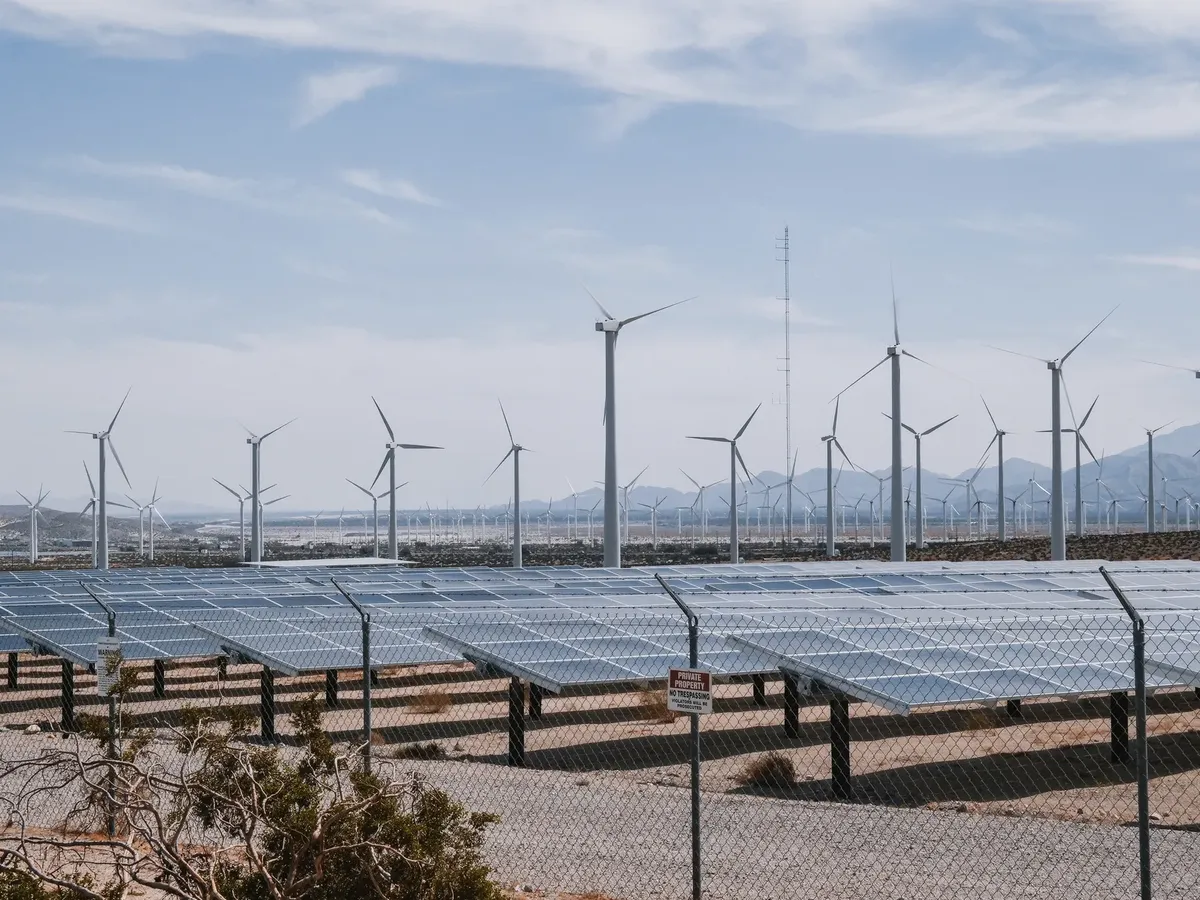
According to a study by the State Energy Research and Development Authority, wind energy produces 27% more jobs per kilowatt-hour than coal plants and 66% more jobs than natural gas plants.
Upgrading existing installations can lead to significant jumps in production. Although few repowering projects have been completed to date, considerable potential exists; a recent study showed that full repowering of the existing fleet could boost capacity factors by 82% nationwide.
In India, a recently revised repowering policy incentivizes upgrading turbines up to 2 MW rated output. This reflects a significant portion of capacity, corresponding to 25.4 GW or approximately 60% of total wind capacity.
These upgrades ensure that older assets contribute more effectively to the modern energy mix.
Can small-scale turbines contribute to the grid?
A homeowner watches a small turbine spin on a rooftop, providing a supplemental stream of electricity for domestic use. These smaller units offer a different scale of energy production compared to utility-sized farms.
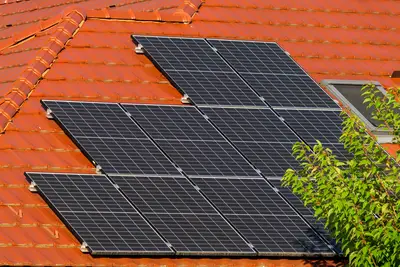
Small-scale rooftop wind turbines can serve as a smart grid for wind power, generating between 10% and 25% of the electricity required for a regular domestic household. While they do not replace the main grid, they provide a localized source of power.
I observed how these smaller units can serve as a vital component in decentralized energy strategies. While they are not intended for industrial use, they offer a way to offset personal energy costs.
Is there a limitation to wind turbine longevity?
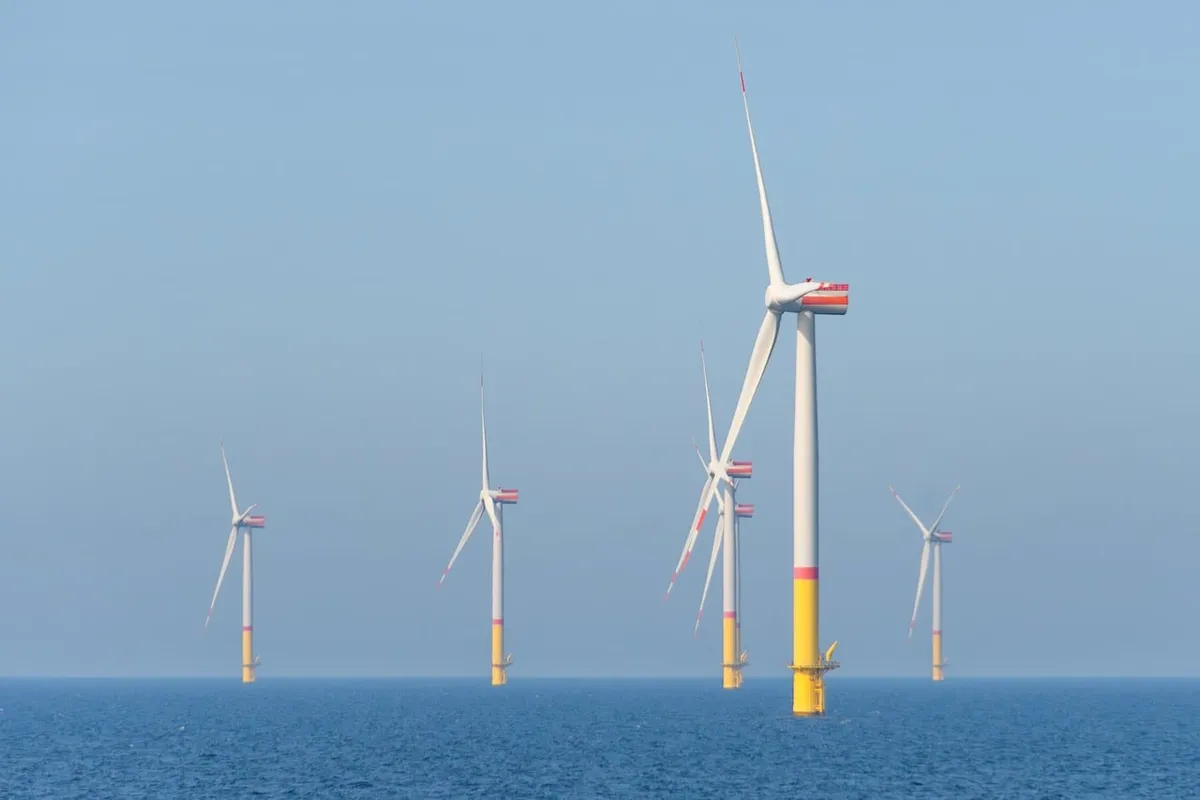
An inspector examines a weathered turbine blade, checking for signs of material fatigue and structural wear. Over time, even the best technology faces the reality of physical degradation.
One limitation is the natural decrease in production as turbines age. An analysis of 3,128 wind turbines older than 10 years in Denmark showed that half of the turbines had no decrease in production, while the other half saw a production decrease of 1.2% per year.
This degradation highlights the importance of regular maintenance and the eventual need for repowering. While some turbines remain stable, others lose efficiency over time due to mechanical wear or material fatigue.
Wikipedia: Electric power transmission
Related



Comments 0