ESS technology future trends: Guide to grid stability
"The transition to renewable energy requires more than just generation; it requires the ability to hold that power for when the sun sets or the wind dies down."
The future of energy storage technology lies in diversifying how we capture and release power to balance an increasingly variable grid. This evolution involves moving from simple battery setups to complex, large-scale systems like thermal storage and advanced electrochemical solutions.
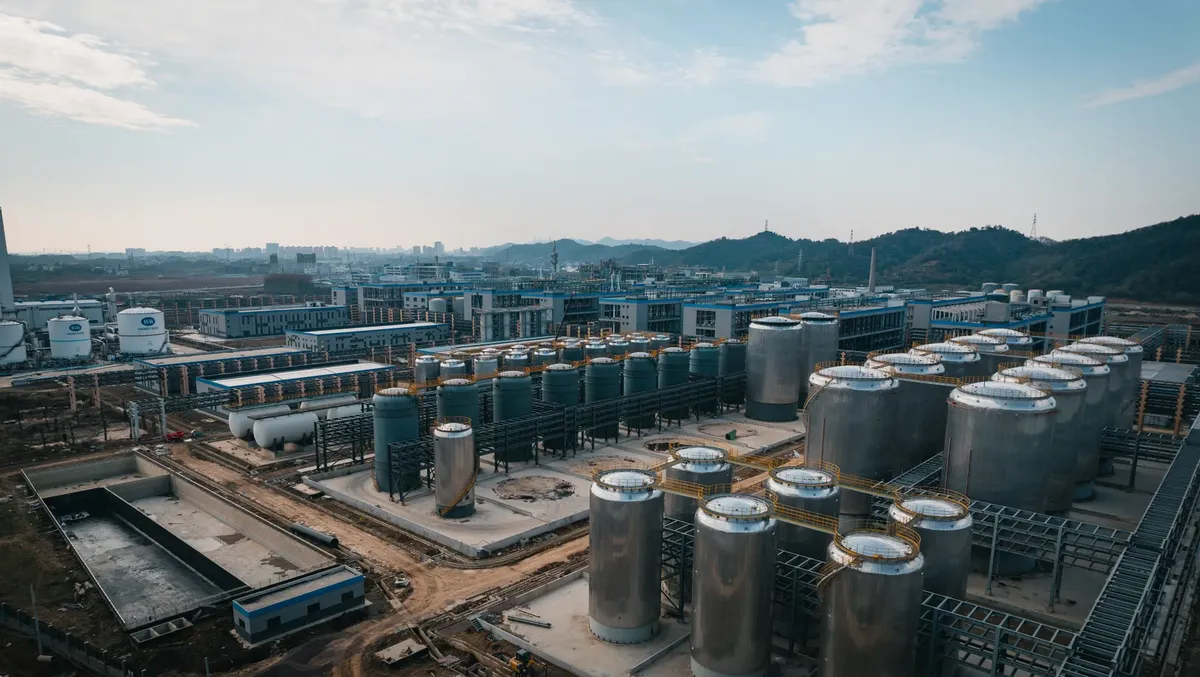
Key takeaways include the massive scale of required storage for high renewable shares, the growth of deployment rates, and the critical role of diverse technologies in maintaining grid stability.
How is ESS technology future trends shaping the grid?
A technician adjusts a control panel in a quiet substation, watching the real-time flow of electricity. As renewable sources fluctuate, the energy storage system (ESS) acts as a buffer, absorbing excess power and releasing it during peak demand.
This constant recalibration is essential for maintaining a stable frequency.
The development of ESS technology future trends focuses on increasing energy density and response times to manage variable renewable energy (VRE). In grid models where VRE shares are high, the cost of storage can become a dominant factor in total grid expenditures.
For instance, in California, an 80% VRE share would necessitate 9.6 TWh of storage, whereas a 100% share would require 36.3 TWh. These shifts drive the need for more efficient and scalable solutions.
- Integration of AI-driven management software.
- Deployment of long-duration storage solutions.
- Expansion of distributed energy resources.
- In this sequence, the second step is the most significant.
What drives the growth of energy storage system growth?
The engineer grips the cold metal of the container at dawn, staring at the massive scale of the growing technology.
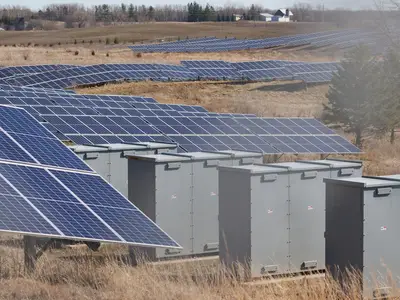
An engineer inspects a massive bank of lithium-ion cells housed in a temperature-controlled container. The sheer scale of these installations reflects the global shift toward electrification and the integration of intermittent power sources.
The scale of energy storage system growth is largely driven by the global push for decarbonization and the increasing penetration of renewables. In 2023, BloombergNEF forecast that total energy storage deployments would grow at a compound annual growth rate of 27 percent through 2030.
This rapid expansion necessitates advancements in both chemical stability and deployment logistics to ensure long-term reliability.
How does the grid impact of ESS influence infrastructure?
A utility worker walks along a high-voltage line, looking toward a nearby battery farm. The physical layout of the grid must evolve to accommodate decentralized storage assets that can respond to sudden shifts in supply.

The grid impact of ESS involves managing the complex relationship between supply and demand across vast distances.
Supplying 80% of US demand from VRE would require a smart grid covering the whole country or battery storage capable of supplying the whole system for 12 hours, with costs estimated at $2.5 trillion. This scale of investment requires a fundamental redesign of how power is distributed and managed.
What are the large battery storage trends in thermal energy?
A researcher monitors a temperature gauge near a deep borehole used for thermal storage. The heat remains trapped underground, waiting to be tapped for heating or electricity.
According to the German Research Foundation, a new project focusing on molecular photoswitches to store solar thermal energy begins in 2023.
The shift toward thermal storage represents one of the significant large battery storage trends. Innovative methods, such as the borehole thermal energy store (BTES) used at the Drake Landing Solar Community in Canada, allow for year-round heat-enabled living.
In that community, 97% of the year-round heat is provided by solar-thermal collectors on garage roofs.
How does renewable energy storage compare to traditional plants?
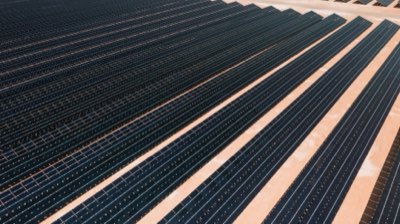
A plant operator compares the output of a solar farm to a traditional gas-fired generator on a screen. The balance between these two sources defines the stability of the modern power network.
Research into renewable energy storage shows that relying solely on VRE and storage can be more expensive than hybrid models.
Several studies found that relying only on VRE and energy storage would cost about 30–50% more than a system combining VRE with nuclear plants or plants with carbon capture and storage. This reality drives the search for more cost-effective, high-capacity storage technologies.
| Technology Type | Key Characteristic |
|---|---|
| Supercapacitors | High power density, 10 to 100 times greater than batteries |
| PSH (Pumped Hydro) | Efficiency between 70% and 80% |
I observed that while supercapacitors offer much higher power density, they have specific energy and energy densities that are approximately 10% of batteries.
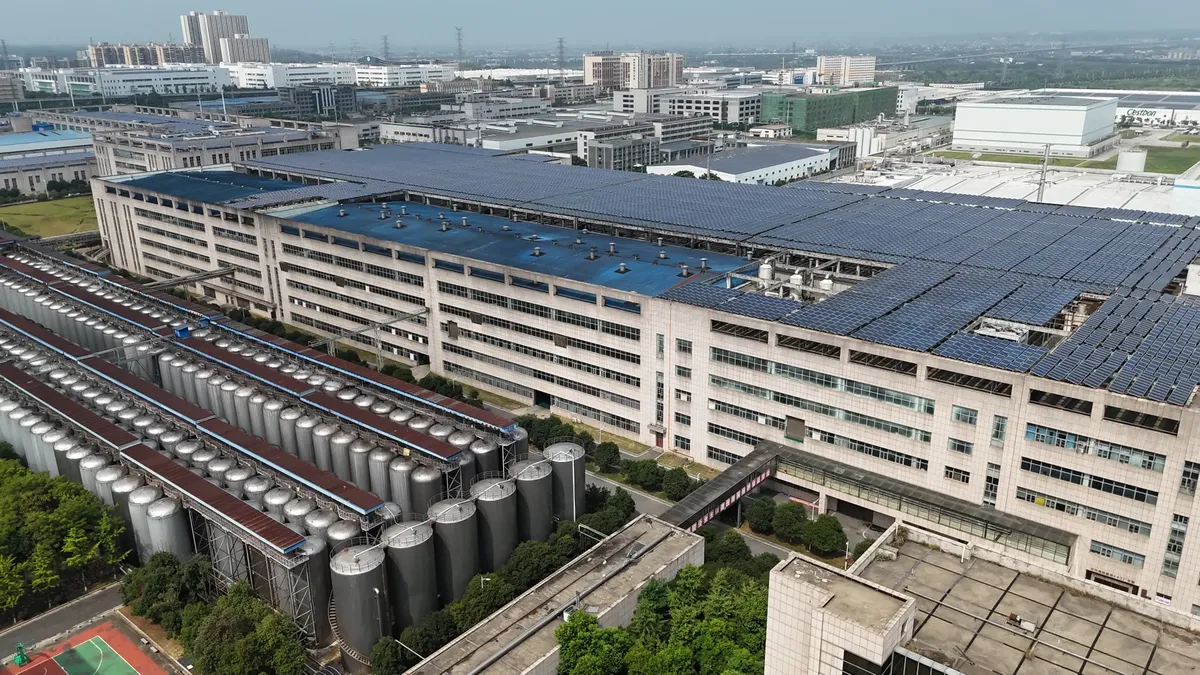
The development of these technologies is subject to the specific energy requirements of the application, such as the difference between rapid-response power and long-duration energy shifts.
Wikipedia: Energy storage Based on the retained excerpt mentioning Test and Commercialization Center: The State of New York unveiled its New York Battery and Energy Storage Technology (NY-BEST) Test and Commercialization Center at Eastman Business Park in Rochester, New York, at a cost of $23 million for its almost 1,700 m2 laboratory.
This part also covers Smart grid ESS evolution.
This part also covers Power market ESS role.
Smart grid ESS evolution
Related

Comments 0