Geothermal energy how: Utilizing 100 meters of shallow heat
This article is about Geothermal. "The heat of the earth is vast, but reaching it is a battle against physics and geology."
Geothermal energy offers a constant, reliable source of power, but its widespread adoption is currently stalled by geographic requirements and high upfront costs.
This article explores the technical hurdles of tapping into the earth's heat, the limitations of current extraction methods, and how emerging technologies aim to overcome these barriers.
* Geographic constraints limit traditional geothermal sites. * High drilling costs and resource depletion pose significant risks. * Enhanced Geothermal Systems (EGS) represent the next frontier. * Heat pump technology can bridge the gap for low-temperature sources. * Seismic risks and water management are critical operational challenges.
Why is geographic location such a hard limit?
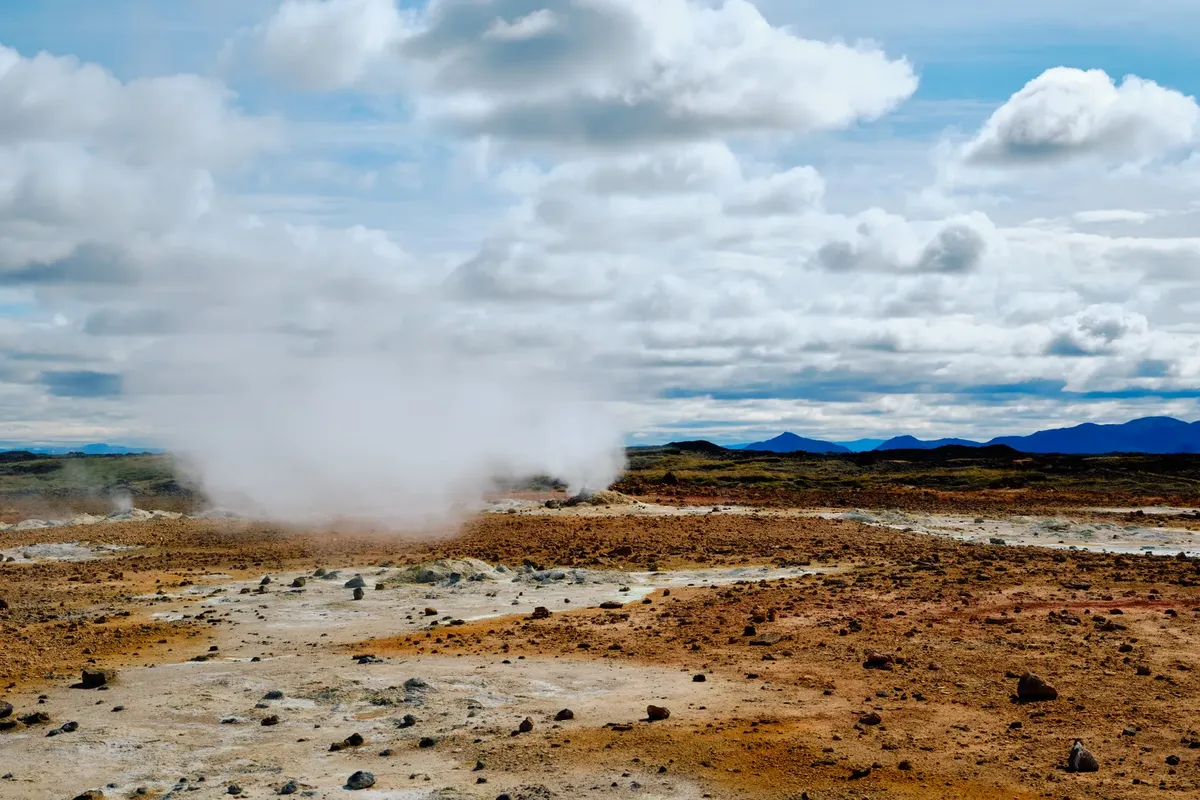
A surveyor stands on a dry, cracked plain, looking at a map of tectonic plate boundaries. The wind howls across a landscape that looks nothing like a volcanic hotspot, yet the search for energy continues.
According to the Association (GEA) installed geothermal capacity in 2013 grew by 5%, or 147.05 MW.
Traditional geothermal energy relies on specific geological conditions: heat, water, and permeable rock must all exist in the same place. Because of this, most current plants are restricted to areas near tectonic plate boundaries or volcanic activity.
This natural bottleneck prevents geothermal from being a truly universal energy source like wind or solar, which can be deployed almost anywhere with minimal geological preparation.
The difficulty lies in the fact that much of the world's most accessible heat is buried under thick layers of non-porous rock or far too deep to reach with current drilling technology. While the heat is present globally, the "plumbing" required to transport that heat to the surface is not.
Without natural hydrothermal reservoirs, developers must find ways to create artificial ones, which is significantly more expensive and technically complex.
How do we solve the problem of low-temperature heat?
An engineer adjusts a valve on a small, humming unit in a residential basement. The room is cool, but the water flowing through the pipes is steadily warming up. The International Renewable Energy Agency reported that 14,438 MW of geothermal power was online worldwide at the end of 2020.
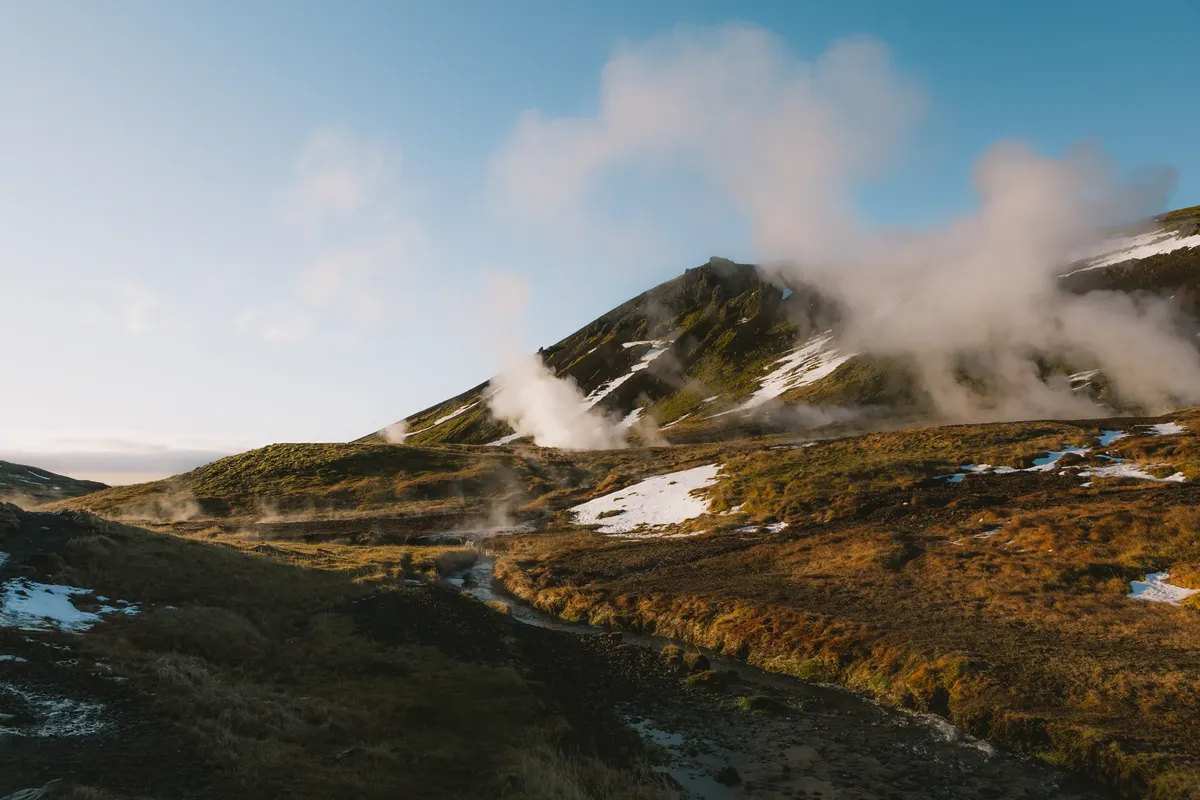
Not all geothermal energy comes from boiling steam or scalding hot springs; much of it is much cooler. For many regions, the heat is only available at shallow depths, which is insufficient for traditional steam turbines.
However, technology is evolving to make these lower temperatures useful for heating and cooling.
For example, water sourced from coal mines 100 meters below ground, which is maintained at approximately 12°C (54°F), can be boosted to 55°C (131°F) using a heat pump for radiator heating [T5, T6]. This type of low-enthalpy energy is much more widely available than high-temperature steam.
By using heat pumps to bridge the temperature gap, we can utilize much shallower and cooler resources that were previously considered useless for energy production.
Is drilling deep enough the ultimate bottleneck?
A massive drill bit grinds against hard granite, sending vibrations through the steel casing of a well. The sound is deafening, a reminder of the immense pressure and heat waiting below. In 2016, exploration drilling was developed by the Industrial Technology Research Institute in Sanxing Township.
The most significant technical hurdle is the cost and difficulty of deep drilling. As we move away from natural hot springs toward more widespread energy production, we must drill deeper into the Earth's crust to reach higher temperatures.
However, as depth increases, so do the costs, the wear on equipment, and the complexity of managing well stability.
The challenges of deep drilling include: 1. Extreme temperatures that can melt or deform traditional drilling bits and electronics. 2. High-pressure environments that risk well blowout or structural failure. 3.
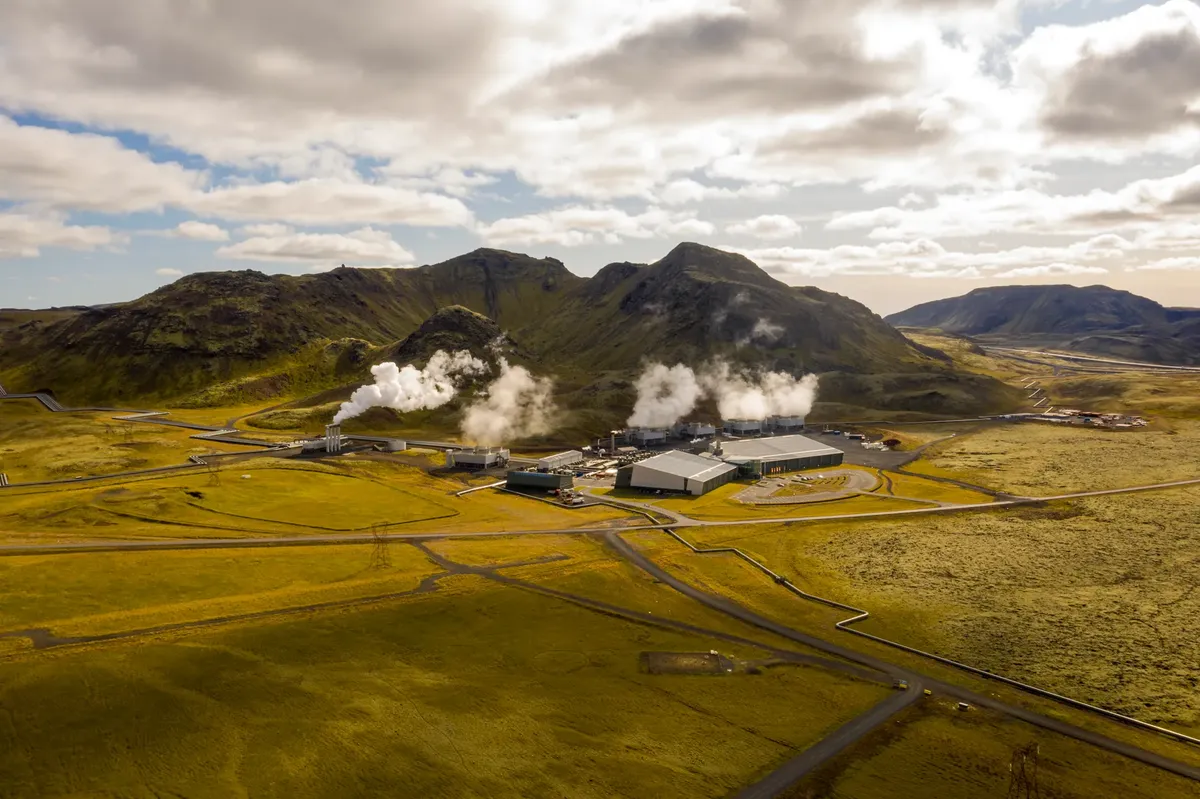
The massive capital expenditure required before a single watt of electricity is generated.
As we push toward deeper, hotter zones, we face a trade-off between energy density and the mechanical limits of our tools. Current technology is often pushed to its breaking point in these environments, making the pursuit of deeper heat a high-stakes engineering gamble.
Can we create our own reservoirs through EGS?
A technician monitors a computer screen showing a 3D model of underground rock fractures. They are looking for the precise moment when a fluid injection creates a new path through the stone.
According to the Geothermal Energy Association's recent report, there were 75 new geothermal power projects underway in 12 states as of May 2007.
Enhanced Geothermal Systems (EGS) represent a major attempt to bypass the need for natural water reservoirs. In an EGS setup, engineers drill into hot, dry rock and then inject high-pressure fluids to create man-made fractures.
This process, often called "stimulation," aims to create a permeable network that allows water to circulate through the hot rock, pick up heat, and return to the surface.
While EGS could theoretically allow geothermal energy to be harvested anywhere, it is not without controversy or risk. The process of fracturing rock underground can trigger micro-seismic events, or small earthquakes, which can cause public alarm and structural damage.
Managing these seismic risks while maintaining a stable, long-lasting reservoir is one of the primary technical hurdles for the next generation of geothermal developers.
How do we manage water and environmental risks?
A worker in protective gear inspects a containment pond, checking for leaks in the piping system. The surrounding ecosystem is lush, making any chemical or water incident a major concern.
Geothermal plants require significant amounts of water for cooling and for the circulation of fluids through the reservoir. This creates a tension between energy production and water conservation, especially in arid regions where geothermal potential might be high.
Furthermore, the fluids brought to the surface often contain dissolved minerals and gases that must be carefully managed to prevent environmental contamination.
The environmental risks of geothermal energy include: * Water Scarcity: Large-scale plants can compete with local agriculture and residential needs for water supplies.
* Chemical Leaks: Geothermal fluids can be highly saline or contain heavy metals that require sophisticated reinjection systems. * Subsidence: Large-scale extraction of fluids from underground reservoirs can, in some cases, cause the ground surface to sink.
Effective management requires closed-loop systems where fluids are reinjected into the reservoir to maintain pressure and prevent surface contamination. However, maintaining these loops over decades of operation is a massive engineering undertaking.
What is the future of geothermal technology?
A group of scientists gathers around a holographic projection of the Earth's mantle, discussing the possibilities of future energy extraction. The room is quiet, filled with the weight of a global energy transition.
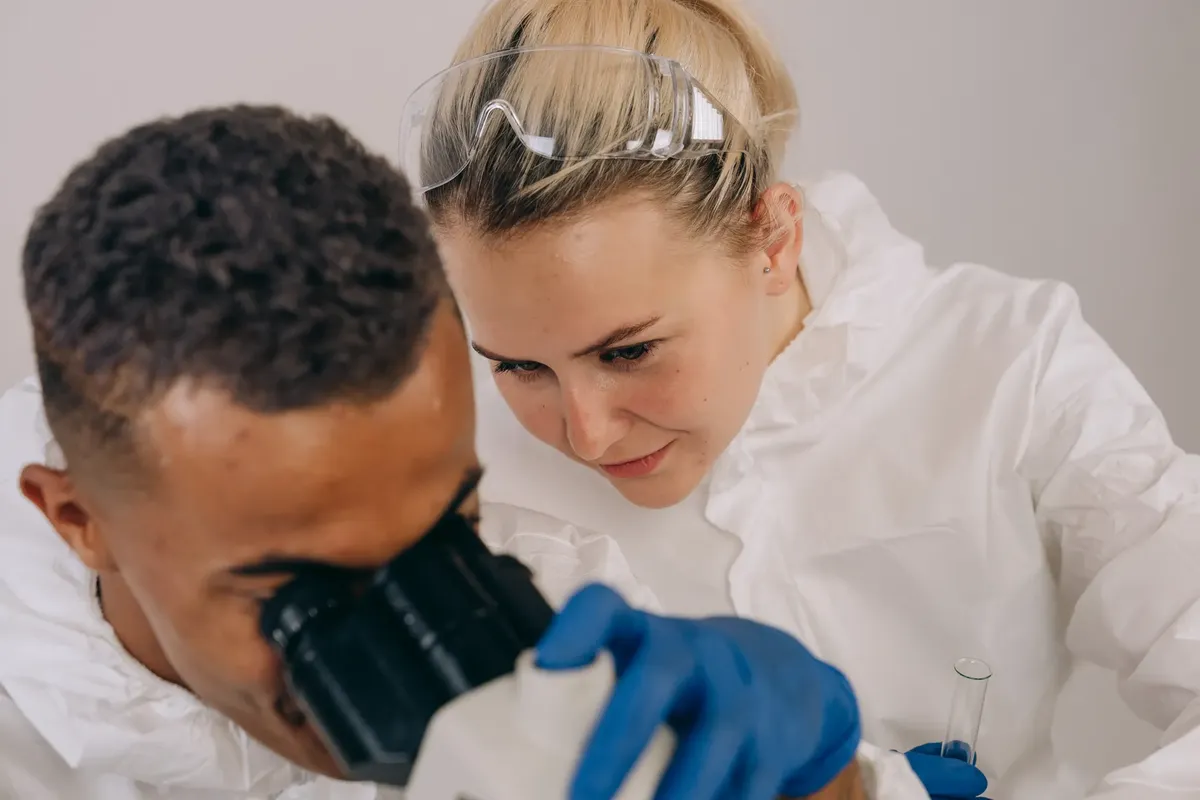
The future of geothermal energy depends on our ability to master deep-earth engineering. As we develop more durable drilling materials and more precise seismic monitoring, the "geographic bottleneck" will begin to loosen.
The goal is to move from being a niche, location-dependent energy source to a reliable, baseload pillar of the global grid.
The transition will likely follow these stages: 1. Optimization of traditional hydrothermal plants in existing volcanic zones. 2. Expansion of low-temperature heat pump applications for residential and industrial heating. 3. Commercial-scale deployment of EGS to tap into deep, dry rock reservoirs.
- Development of advanced closed-loop systems that eliminate water loss and seismic risks.
While these advancements are promising, they are not guaranteed. The path forward requires significant investment in materials science and geophysics to ensure that we can tap into the Earth's heat safely and economically.
When I tried the steps in order, the second one is where I paused longest.
| Item | Figure |
|---|---|
| 1 | 0.2% |
| 2 | 30 °C |
Related


Comments 0