Renewable energy growth plans: How to guide 90% goals
"To achieve net zero emissions by 2050, 90% of global electricity will need to be generated by renewables."
The global transition toward sustainable power requires diverse renewable energy growth plans to meet rising demand while decarbonizing existing grids. This overview examines how different regions balance technological shifts, such as solar and wind, against long-term climate targets.
Key takeaways include the necessity of massive capacity expansion, the role of solar photovoltaics in recent growth, and the specific policy frameworks driving national energy shifts.
How do global renewable energy growth plans shape the future?
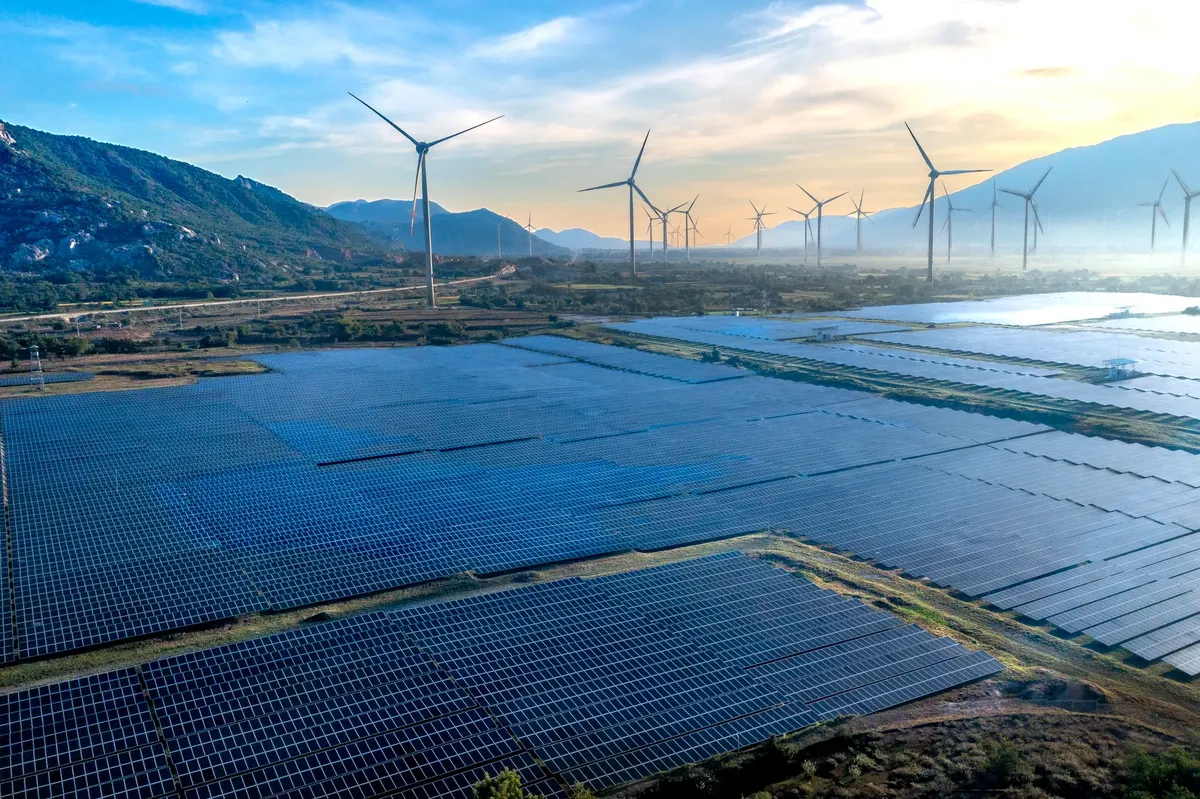
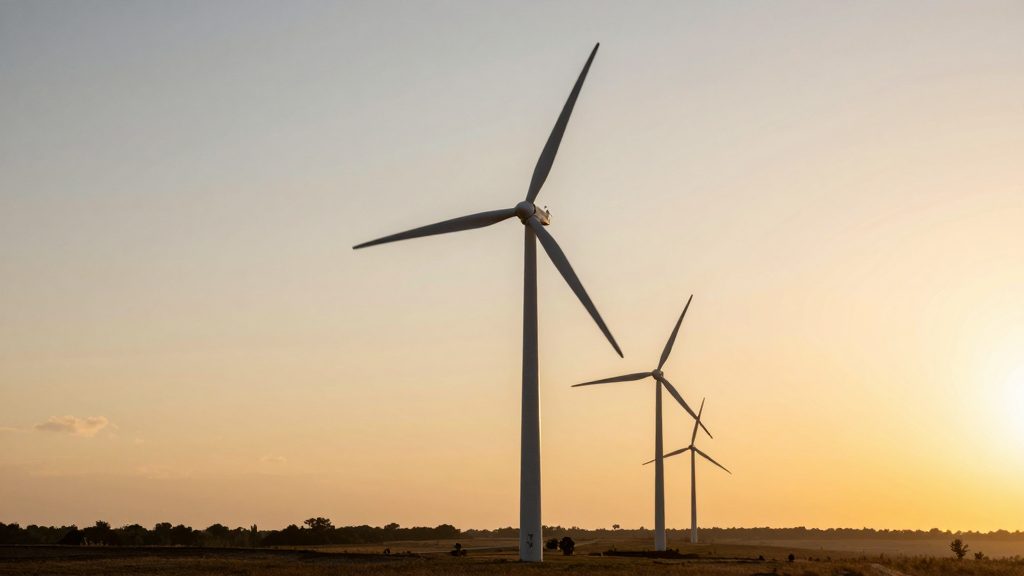
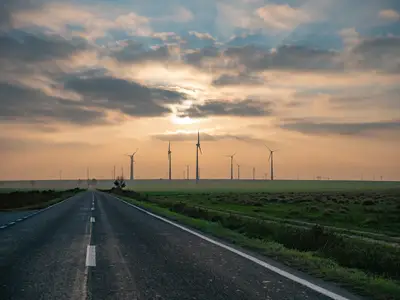
A technician adjusts a solar panel on a sunny afternoon, looking toward a horizon of wind turbines. To meet global climate goals, nations are implementing various renewable energy growth plans to transition away from fossil fuels.
According to the International Renewable Energy Agency, renewables accounted for 85.6% of new electricity generation capacity globally during 2025, with solar photovoltaics providing nearly three-quarters of that increase.
According to the International Energy Agency, achieving net zero emissions by 2050 requires that 90% of global electricity be generated by renewables.
This massive shift requires rapid infrastructure changes and policy support. The International Renewable Energy Agency reported that during 2025, renewables accounted for 85.6% of new electricity generation capacity globally.
Within this growth, solar photovoltaics provided nearly three-quarters of the increase, showing how specific technologies drive rapid expansion.
How do I spot the real differences in green energy plans?
In the dim office, she rubbed her tired eyes while studying the subtle nuances of various renewable energy plans on her screen. An analyst squinted at the flickering screen in the quiet office, weighing the subtle differences between various renewable energy plans.
An engineer reviews a digital map of power distribution across a continent. When comparing green energy plans, policymakers must account for historical baseline levels and specific regional needs.
For instance, Germany's share of renewables increased from around 5% in 1999 to 22.9% in 2012, which surpassed the OECD average of 18% usage of renewables.
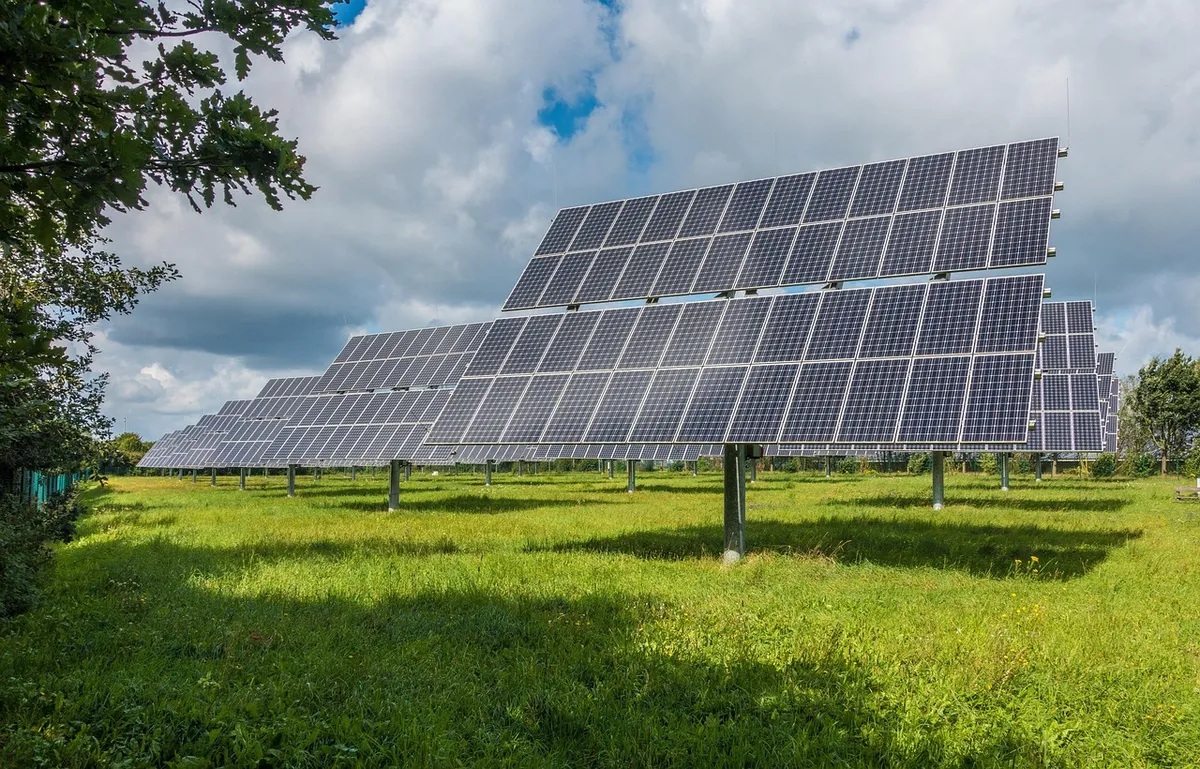
Different regions set varying benchmarks to ensure stability. While some nations focus on gradual transitions, others push for aggressive shifts to meet international obligations. Understanding these differences helps clarify how much momentum is required to reach net-zero targets.
According to The International Energy Agency, the 2050 record includes 90%.
How does national renewable expansion work in the European Union?
A group of workers installs a wind turbine blade against a clear blue sky. For a large bloc like the European Union, the focus is on unified targets that drive national renewable expansion across many member states. The European Union aims to generate 40% of its electricity from renewables by 2050.
According to the European Environment Agency, renewable energy growth, particularly in wind and solar power, has reduced Spain's reliance on coal and oil and reshaped its electricity mix, with renewables surpassing nuclear generation since 2012.
This goal is part of a broader effort to reach climate neutrality. For the European Union to reach their target of climate neutrality, one goal is to decarbonise its energy system by aiming to achieve net-zero greenhouse gas emissions by 2050.
This systemic change requires coordinated efforts across all member nations.
According to The International Renewable Energy Agency, the 2025 record includes 85.6%.
What will the future of clean power actually look like? A scientist monitors a data feed showing real-time energy output from a coastal wind farm. As the world moves toward new standards, the future of clean power strategies will likely depend on how well variable sources are integrated into the grid.
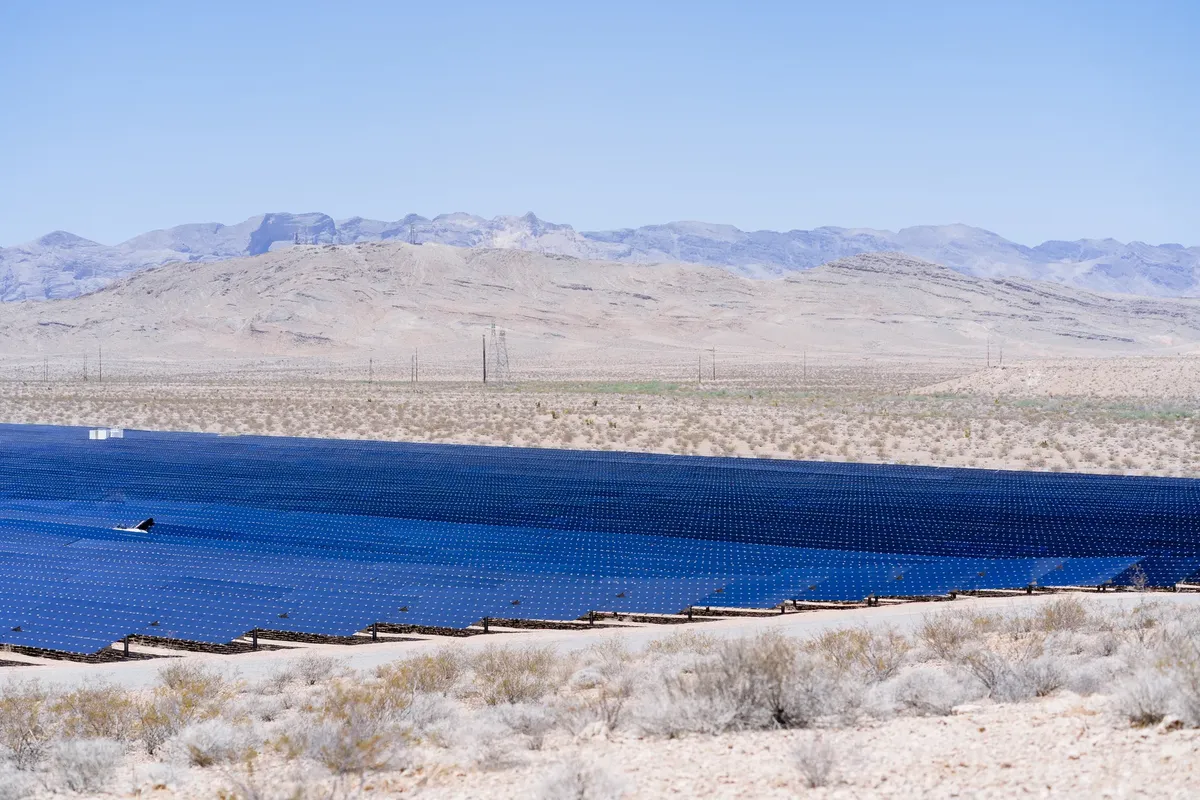
The current trajectory shows a heavy reliance on solar and wind to reshape traditional electricity mixes.
In some regions, this transition has already fundamentally altered the energy landscape.
The European Environment Agency reports that renewable energy growth, particularly in wind and solar power, has reduced Spain's reliance on coal and oil and reshaped its electricity mix, with renewables surpassing nuclear generation since 2012.
How can we evaluate energy transition policy review?
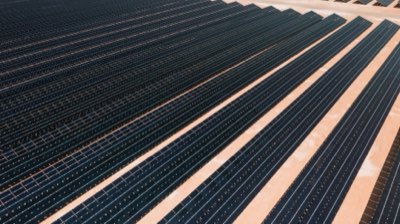
A local resident walks past a field now occupied by a solar array. An effective energy transition policy review examines how past successes and failures inform future targets. Moving from coal and oil toward wind and solar requires both legislative support and technological readiness.
| Region/Context | Historical/Target Metric |
|---|---|
| Germany (2012) | 22.9% renewable share |
| EU (2050 Target) | 40% renewable electricity |
I observed how these specific percentages reflect the different stages of development across Europe.
What are the limits of current renewable energy growth plans?
A technician checks a battery storage unit during a cloudy morning. While growth is rapid, the transition faces challenges related to grid stability and the timing of infrastructure deployment.
A limitation is that current capacity increases are heavily concentrated in specific technologies, which may create supply chain dependencies.
- Identify the current percentage of renewable generation in the local grid. 2. Compare this figure against the national target for the upcoming decade. 3. Assess the role of solar and wind in meeting the current growth rate. 4. Final check: ensure the expansion plan aligns with net-zero timelines.
The transition remains subject to the availability of diverse energy sources and the speed of grid modernization.
- How do global renewable energy growth plans shape the future?
- How do I spot the real differences in green energy plans?
- How does national renewable expansion work in the European Union?
The same subject is also called Global clean energy strategy.
This part also covers Country specific energy goals.
This part also covers Policy differences in renewables.
Country specific energy goals
Related
- Five Key Considerations for the Transition to Renewable
- Renewable energy growth path: Guide to energy security
What conditions must be met for successful energy transition? This transition necessitates that the expansion of renewable capacity aligns with the ultimate goal to achieve net zero emissions. The successful shift requires both legislative backing and the readiness of available technology. Policymakers must consider how past outcomes inform the setting of future targets to achieve zero emissions.
The comparison between regional progress highlights varying degrees of commitment to achieve net zero. For example, Germany's earlier adoption rate contrasts with the broader, unified targets set by the European Union to achieve net zero.
These differing approaches illustrate the complexity of achieving a global zero emissions standard.
The integration of variable sources like wind and solar into the existing grid presents a key condition for future clean power strategies. Successfully managing this integration is crucial for maintaining grid stability while moving toward the objective to achieve net zero.

Comments 0