Offshore wind tech limits: How to guide deep water economics
"The wind does not blow with the consistency of a heartbeat, yet it carries the potential to power entire nations if we can master the sea."
Addressing offshore wind tech limits requires a balance between managing environmental volatility and overcoming high installation costs.
This guide explores how moving into deeper waters changes the economics of energy, examines the challenges of variable power, and outlines the path toward subsidy-free production.
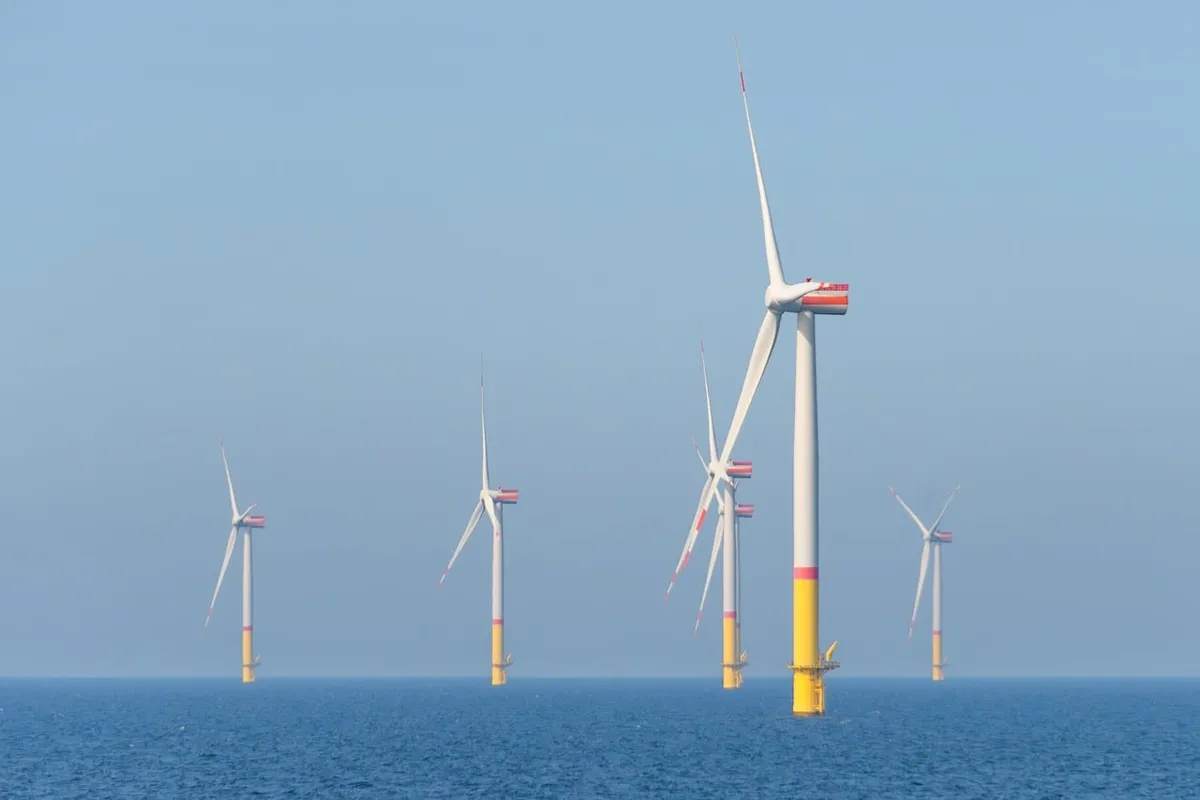
Key takeaways: 1. Early shallow-water installation costs were significantly higher per megawatt. * Moving to deep-water environments introduces new structural and economic complexities. * Forecasting accuracy and grid stability remain critical hurdles for variable renewable energy.
How did installation costs shape early offshore wind tech limits?
At sunset on the pier, the technician squinted against the salty spray while staring at the distant, expensive offshore structures.
A technician stands on a coastal pier, looking out at the vast horizon where the first generation of turbines was anchored. In the early days of the industry, the financial barrier to entry was a primary concern for developers.
According to the World Energy Council, in 2009, shallow-water turbines cost US$2.4-3 million per megawatt to install. While these costs were substantial, the practical feasibility and per-unit economics of deep-water, floating-turbine offshore wind were yet to be established.
This era of development focused on overcoming the initial financial hurdle of fixed-bottom structures.
The shift toward deeper waters requires a different approach to engineering. As engineers look toward the open ocean, they must account for more complex mooring and stability requirements.
Can we overcome the stability of deep sea foundation design?
A heavy crane vessel maneuvers through swells to position a massive floating platform. In deep-water environments, the lack of a seabed connection changes how we approach wind farm mechanical issues.
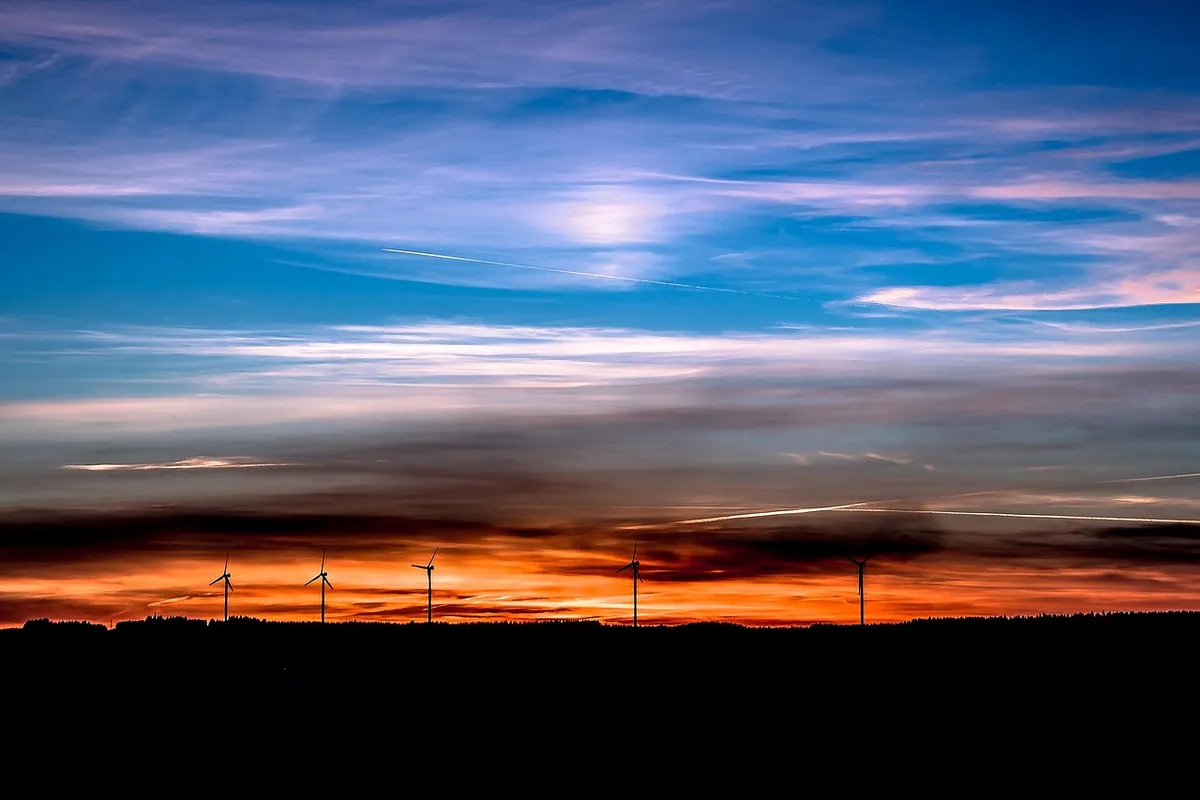
Engineers must design structures that can withstand the harshness of the open sea.
During deployment, hardware has experienced numerous storm events representative of design environmental conditions prescribed by the American Bureau of Shipping (ABS) Guide for Building and Classing Floating Offshore Wind Turbines, 2013.
These extreme weather events test the structural integrity of every component.
Managing these loads is essential for long-term viability. Solving deep sea foundation design challenges is the next step in expanding the reachable wind resource.
How do we manage high cost wind energy through scale?
A logistics manager reviews a spreadsheet of projected expenses for a multi-year project. As the industry grows, the goal is to move from expensive pilot projects to massive, cost-effective arrays.
The transition from shallow to deep water changes the economic landscape. While early costs were high, the industry is moving toward more mature technologies.
According to a study completed by the Offshore Renewable Energy (ORE) Catapult's Floating Offshore Wind Centre of Excellence (FOW CoE), UK floating offshore wind could reach “subsidy-free” levels by the early 2030s.
Achieving these levels requires significant technological maturation. Success depends on making the transition from experimental setups to reliable, large-scale energy production.
How do we address grid integration wind power?
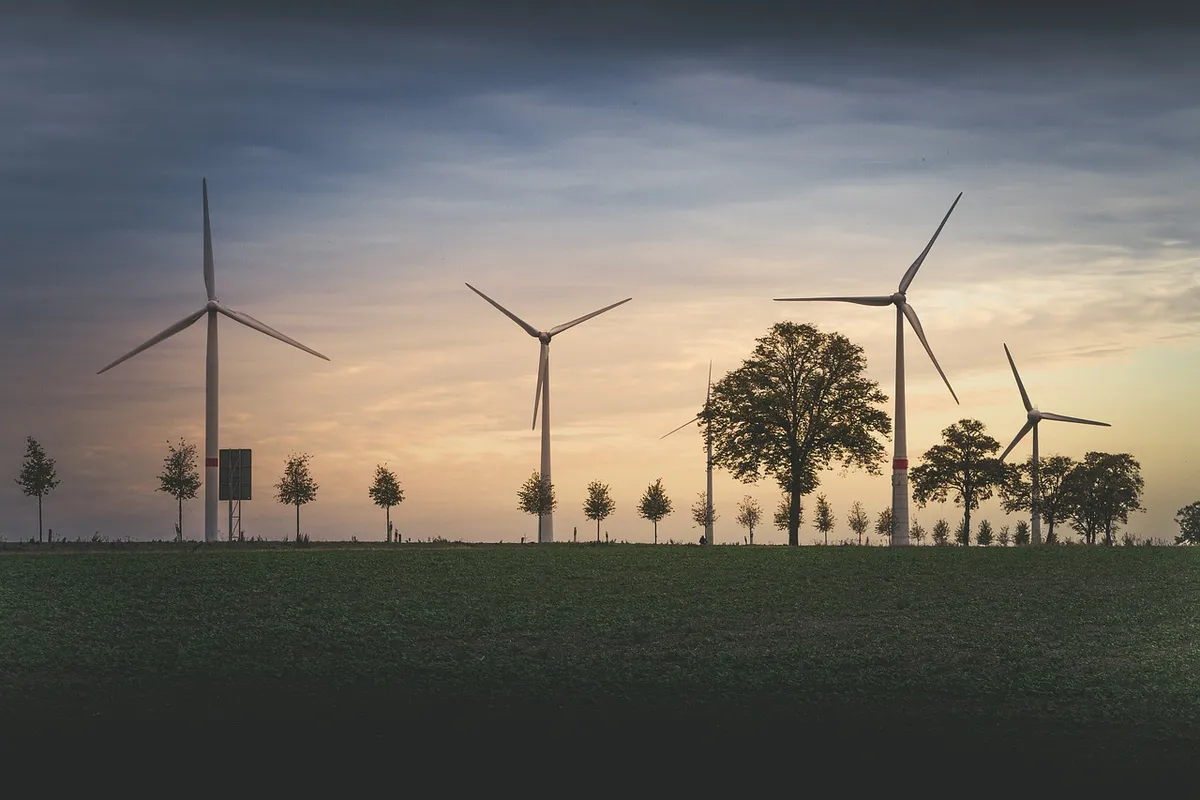
A grid operator watches a digital dashboard where fluctuating lines represent the movement of electricity across a continent. The variability of wind creates a constant challenge for maintaining a steady supply.
Although wind power forecasts have been used operationally for decades, as of 2019 the IEA is organizing international collaboration to further improve their accuracy. Improving these forecasts is vital for managing the amount of energy that enters the grid at any given moment.
The stability of the power supply is a primary concern for utility companies. Providing reliable electricity requires better tools to predict wind behavior.
What are the steps to improve power grid flexibility?
An engineer adjusts the settings on a control panel to balance the load between different energy sources. To handle the fluctuations of wind, the entire system must become more adaptable.
Addressing the technical limitations of wind involves three primary phases: 1. Enhancing forecasting models to better predict wind speed changes. 2. Developing energy storage solutions to bridge periods of low wind. 3.
Strengthening transmission infrastructure to move power from remote offshore sites to urban centers.
A final check of the grid stability ensures that sudden changes in wind speed do not cause outages. Developing these capabilities is necessary to integrate large amounts of variable energy.
Is there a limit to how much wind we can capture?
A researcher examines a map of global wind corridors, noting the vast empty spaces of the ocean. While the potential is massive, the technical and economic constraints are very real.
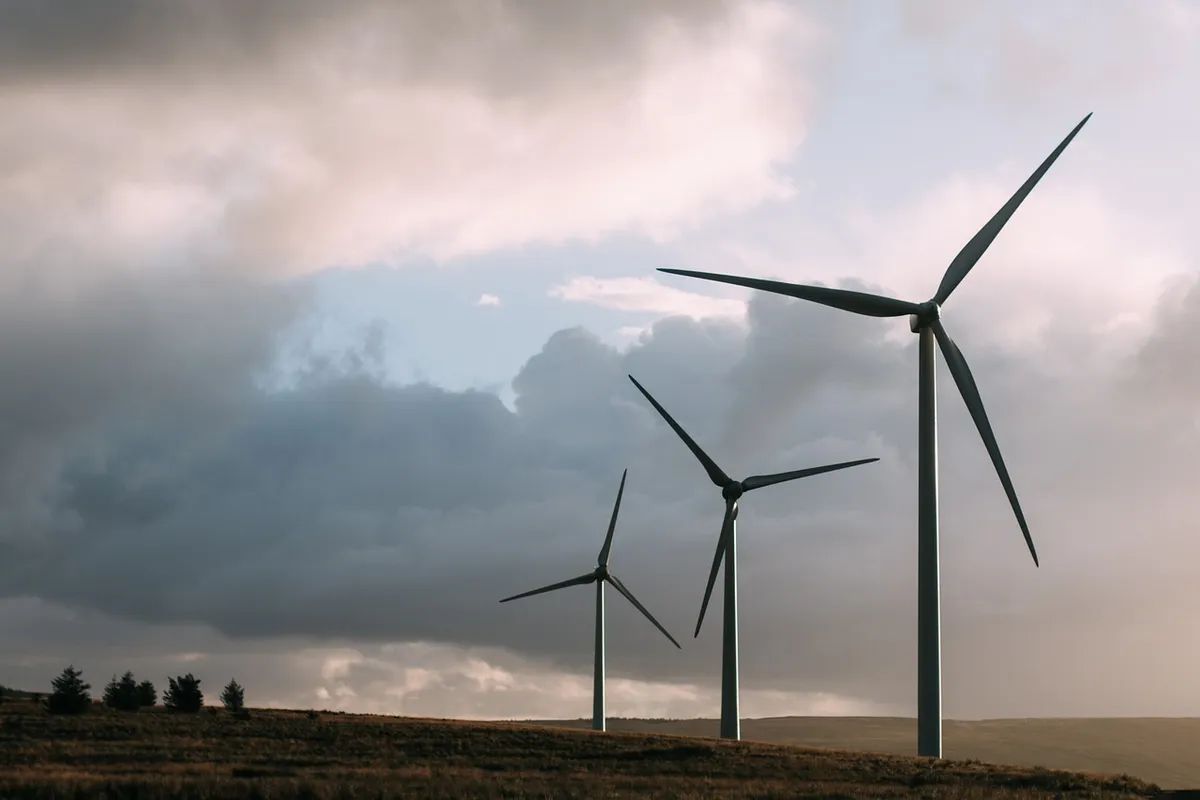
The scale of the wind resource is enormous, but extraction is limited by current technology. One limitation is that the economic feasibility of floating turbines in deep water is still being proven compared to established shallow-water methods.
Despite these hurdles, the drive to capture offshore energy continues. The industry must balance the desire for high-speed wind with the practicalities of maritime engineering.
- How did installation costs shape early offshore wind tech limits?
- Can we overcome the stability of deep sea foundation design?
- How do we manage high cost wind energy through scale?
Related
- Solar efficiency improvement tech: Tips for bandgap tuning
- Wind power grid reform costs: 55 GW capacity strategy
What conditions affect the economic viability of deep-water wind? Deep-water wind economics are shaped by the structural complexity required for floating platforms compared to fixed-bottom installations. The initial high costs associated with early shallow-water turbine deployment provide a benchmark against which deep-water solutions are measured. Overcoming the financial barrier necessitates technological maturation across the industry.
When comparing the two environments, the necessity for advanced mooring systems in deeper waters introduces new engineering demands. These demands directly influence the overall cost structure of the wind farm. The industry seeks to lower these costs to reach the projected subsidy-free levels.
Forecasting accuracy remains a condition tied to economic success because unpredictable wind patterns strain the grid integration capabilities. Reliable power delivery, which is key to financial viability, depends heavily on anticipating wind behavior.
How does wind variability impact grid operations? Grid operations face a constant challenge because wind power fluctuates in its delivery. The stability of the power supply is a primary concern for utility companies managing this variable input. Improving wind forecasts helps mitigate the risk associated with these fluctuations.
To maintain a steady supply, the entire electrical system must become more adaptable to the wind's changing output. Developing storage solutions allows the grid to bridge periods when the wind does not blow strongly.
Strengthening transmission infrastructure ensures that power from remote wind sites can reach consumers.
These procedures are necessary steps to integrate large amounts of variable wind energy successfully.

Comments 0