Solar power industry use cases guide for local mini-grids
"The use of local mini-grids run on solar power would contribute to the 60 percent of new connections expected to be to renewable power."
Solar power industry use cases are expanding from massive utility-scale plants to localized mini-grids and specialized architectural designs. This transition allows for diverse applications ranging from large-scale electricity generation to unique building-integrated systems.

Key takeaways include the growth of renewable connections, the evolution of efficient thin-film technology, and the development of advanced thermal storage systems.
How do local mini-grids function for energy distribution?
At dawn, the technician flips a heavy switch in the remote hub, feeling the sudden hum of the solar distribution network.
A technician adjusts a circuit breaker within a small-scale distribution hub to balance the load. Localized energy solutions provide a way to reach remote or underserved areas through decentralized networks.
According to a report by the International Energy Agency, the use of local mini-grids run on solar power would contribute to the 60 percent of new connections expected to be to renewable power. This shift represents a significant move toward decentralized energy.
Solar energy applications like these allow regions to build infrastructure that meets specific local needs without relying solely on massive, centralized plants.
What role does thin-film technology play in solar evolution?
A researcher examines a delicate semiconductor layer under a microscope in a laboratory setting. The history of solar advancement shows a constant push for higher efficiency through material science.
In 1980, the Institute of Energy Conversion at University of Delaware developed the first thin-film solar cell exceeding 10% efficiency using Cu2S/CdS technology. This milestone paved the way for more versatile PV technology in sectors where traditional silicon panels might be too heavy or rigid.
These advancements allow for thinner, lighter, and more adaptable solar components.
How has utility-scale solar impacted the national grid?
An engineer monitors a digital dashboard showing massive energy throughput from a desert solar farm. Large-scale installations provide the bulk of renewable energy sent to national infrastructures.
As of September 2014, utility-scale solar had sent 12,303 gigawatt-hours of electricity to the U.S., according to the Energy Information Administration. This volume demonstrates the capacity of large arrays to serve national energy demands.
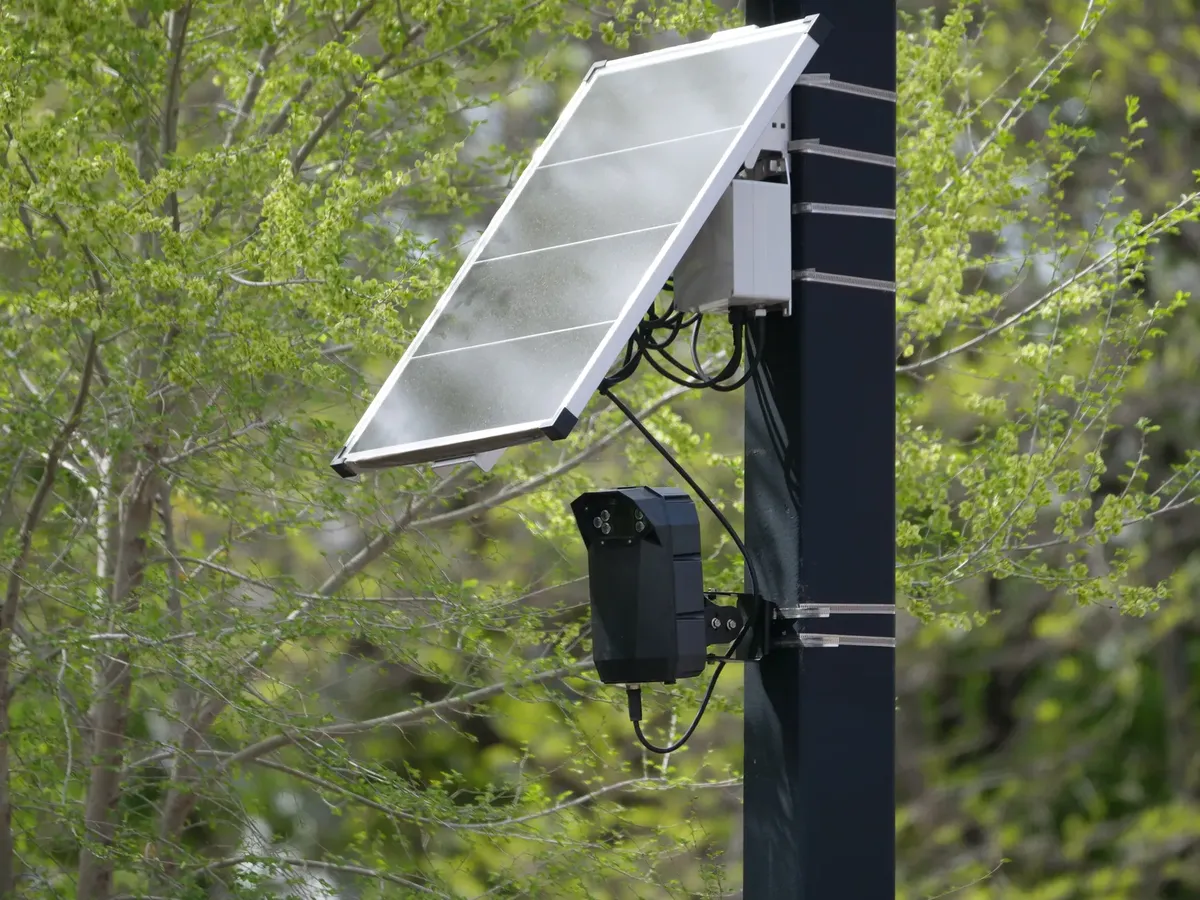
Renewable energy real examples like these highlight how much solar can contribute to a country's total energy mix.
What are the advancements in concentrated solar power?
A technician checks the levels of a thermal storage tank at a high-temperature solar tower facility. Modern concentrated solar designs focus on managing extreme heat to generate electricity efficiently.
Newer designs using liquid sodium have been demonstrated, and systems using molten salts, consisting of 40% potassium nitrate and 60% sodium nitrate, are now in operation. These fluids act as the working mediums to store and transfer heat.
Solar integration smart grid technologies often utilize these thermal storage capabilities to provide power even when the sun is not shining.
How does cost-projection affect solar investment?
An investor reviews a spreadsheet comparing future energy costs against current market rates. Economic projections drive the adoption of new solar technologies across different industries.
In 2021, the US National Renewable Energy Laboratory (NREL) estimated the cost of electricity from concentrated solar with 10 hours of storage at $0.076 per kWh. Future projections suggest this could drop to $0.056 per kWh in 2030 and $0.052 per kWh in 2050.
These decreasing costs make energy storage solar systems more economically viable for long-term planning.
| Year | Estimated Cost per kWh (with 10h storage) |
|---|---|
| 2021 | $0.076 |
| 2030 | $0.056 |
| 2050 | $0.052 |
I compared these projections to understand how the falling price of concentrated solar might change the energy landscape.
What are the unique applications of solar architecture?
A traveler looks up at a building where solar panels are integrated directly into the facade. Specialized designs allow solar technology to move beyond simple ground-mounted arrays.
In 2004, a journey was taken from a solar roof to Ground Zero NY World Trade Center to educate the public about BI-PV Solar Architecture. This event highlighted the potential for building-integrated photovoltaics.
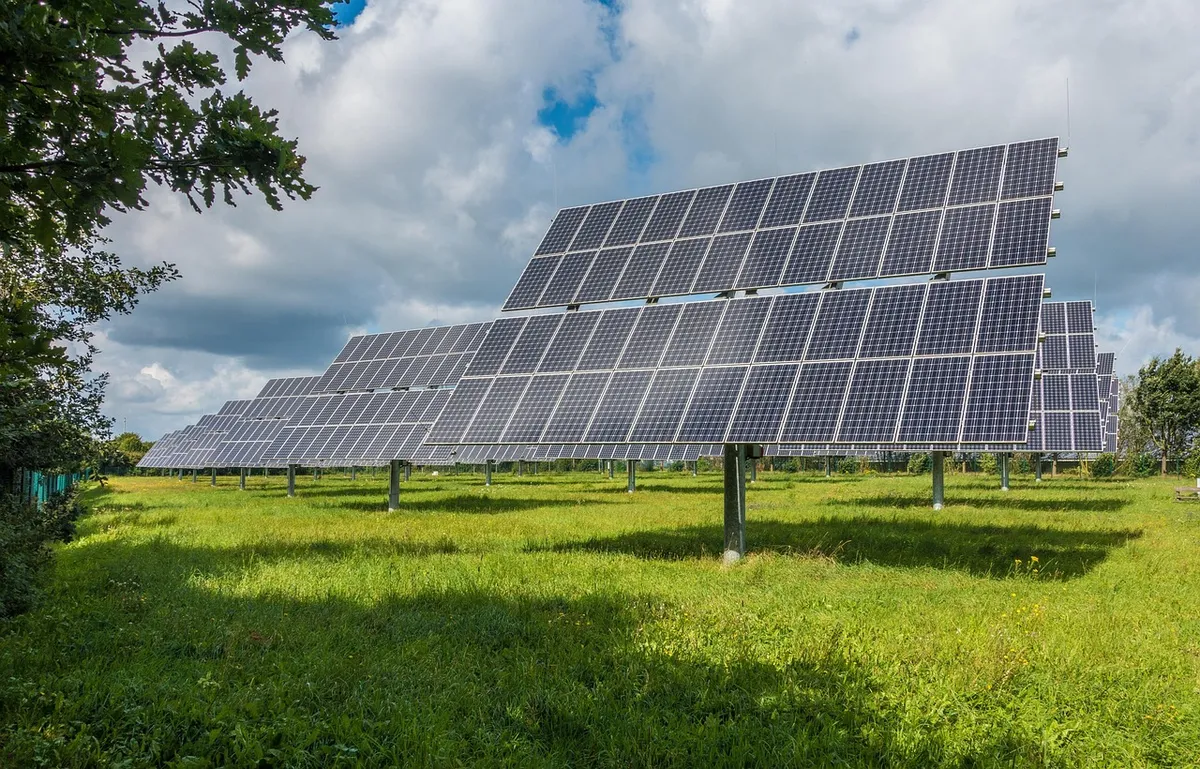
Such specialized uses show how solar can become a fundamental part of the built environment.
One limitation of concentrated solar arrays is that near the center of the array, temperatures can reach 550 °C (1,022 °F), which is enough to incinerate birds.
- How do local mini-grids function for energy distribution?
- What role does thin-film technology play in solar evolution?
- How has utility-scale solar impacted the national grid?
Solar power industry use cases
The subject here is Solar power industry use cases.
The same subject is also called Solar power practical uses.
This part also covers Commercial solar power projects.
Solar integration smart grid
Related
- Solar panel efficiency guide: Multi-junction cells best tips
- Solar power tech evolution: 12,303 gigawatt-hours output
How do local mini-grids compare to centralized power generation?
Localized energy solutions offer a distinct advantage over massive, centralized plants because they address specific local needs. The decentralized nature of these local mini-grids allows for power delivery to areas that large infrastructure might bypass.
This contrasts with the scale of utility-size installations that serve broader regional demands.
The deployment of local mini-grids supports the broader goal of integrating renewable power into the energy system. These smaller systems facilitate a transition away from sole reliance on large power sources. This localized approach enhances energy resilience across different geographical settings.
What are the operational conditions for thermal storage?
The working mediums in concentrated solar power systems, such as molten salts, must manage extreme heat effectively. These fluids, which include potassium nitrate and sodium nitrate, facilitate the necessary heat transfer.
Solar integration smart grid technologies depend on these thermal storage capabilities to maintain power output when sunlight is absent.
The high temperatures reached in concentrated solar arrays present a specific hazard. Near the center of the array, temperatures can reach 550 °C (1,022 °F), which poses a danger to local wildlife.
This condition necessitates careful operational monitoring of the high-temperature solar tower facility.
The evolution of solar power showcases a progression from large utility-scale projects to specialized, integrated systems. The capability of local mini-grids to serve remote areas complements the bulk power provided by large arrays.
This spectrum of application demonstrates the technology's adaptability across various energy needs.


Comments 0