Offshore wind tech progress: 2.4 million cost shift guide
"As the horizon expands, the transition from shallow coastal waters to the deep sea represents the next great frontier for renewable energy."
The technical evolution of offshore wind power is shifting from fixed-bottom structures toward floating platforms to unlock vast energy resources.
This transition involves moving from high-cost shallow-water installations to economically viable deep-water solutions that integrate with global power grids.
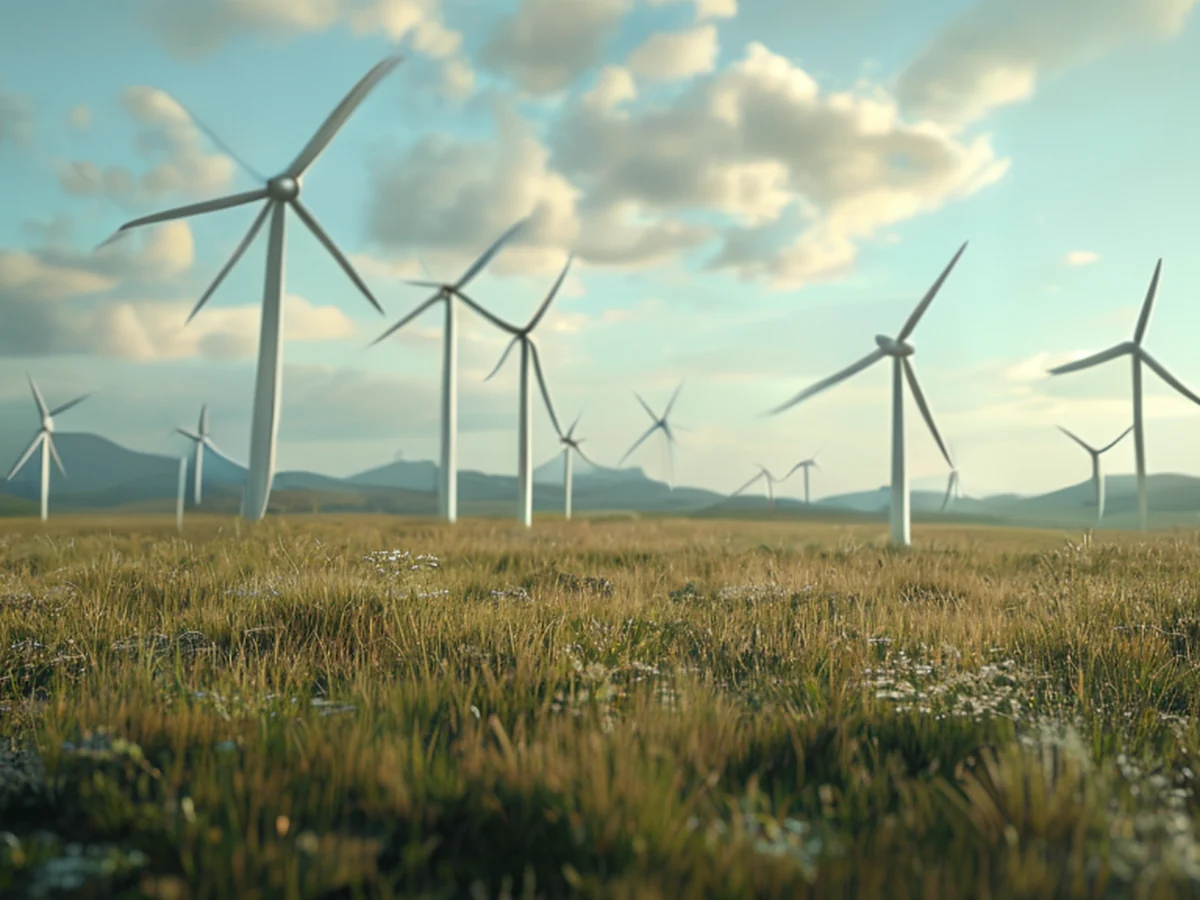
Key takeaways include the historical cost context of early turbines, the potential for subsidy-free floating wind in the UK, and the leadership of nations like Denmark in developing energy islands.
How did early installation costs shape offshore wind tech progress?
Sweat dripped from the engineer's brow as he stared at the aging pier in the morning light, reflecting on the massive costs of early offshore structures.
A technician stands on a pier, looking at the massive steel foundations of a shallow-water turbine. In 2009, shallow-water turbines cost US$2.4-3 million per megawatt to install, according to the World Energy Council.
This baseline reflected the era when offshore wind was still finding its footing in commercial markets.
While these installations were successful in coastal zones, the practical feasibility and per-unit economics of deep-water, floating-turbine offshore wind were yet to be established at that time.
This economic reality drove the need for more versatile designs that could survive harsher, deeper environments. Understanding these early financial hurdles is essential for grasping why current wind power advancement focuses so heavily on floating technology.
- Initial capital expenditures forced engineers to focus on modularity.
- High deployment costs drove the development of larger, more efficient turbines.
- Scaling manufacturing processes became the primary method for reducing unit costs.
Can floating wind-power advancement reach subsidy-free levels?
In the early morning light, the engineer wipes sweat from his brow while staring at the distant offshore horizon.
Engineers review complex blueprints for a floating platform designed to withstand heavy ocean swells. The potential for cost-effective energy is growing as technology matures.
According to a study completed by the Offshore Renewable Energy (ORE) Catapult's Floating Offshore Wind Centre of Excellence (FOW CoE), UK floating offshore wind could reach “subsidy-free” levels by the early 2030s.
This projection suggests that renewable energy tech is moving toward price parity with traditional energy sources. As floating platforms become more standardized, the cost of deployment is expected to drop significantly.
This economic shift will allow for greater expansion into deep-sea regions where winds are stronger and more consistent.
In this sequence, the first step is the most critical.
According to World Energy Council, the 2009 record includes 3 million.
What role does leadership in renewable energy tech play in global trends?
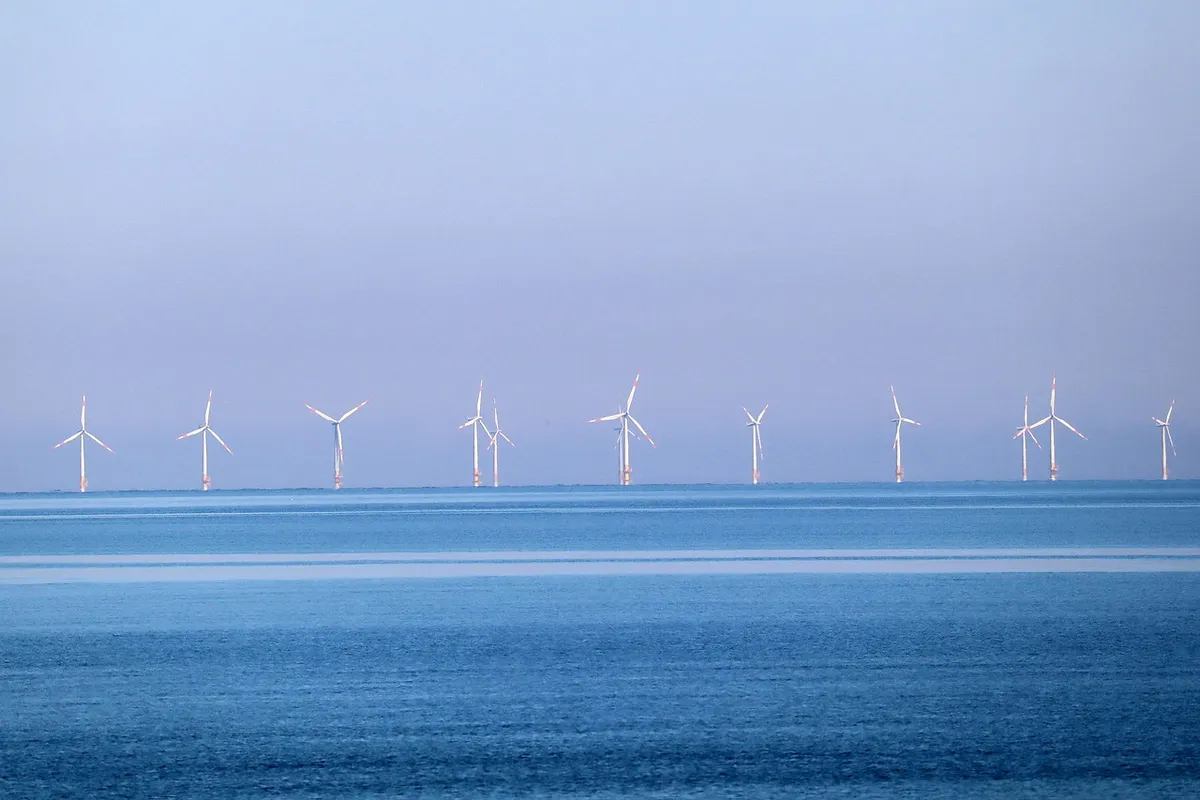
A maritime vessel navigates through an expansive wind farm, passing between towering white blades. Global leaders set the pace for how energy storage offshore and grid integration work in practice.
A 2023 IEA report identifies Denmark as the global leader in installing offshore wind parks and energy islands.
This leadership demonstrates how integrated energy hubs can manage large-scale production and distribution. By combining wind generation with advanced energy islands, nations can stabilize the grid and manage variable supply.
Such innovations pave the way for smarter grid wind integration across entire maritime regions.
How do research-driven wind energy efficiency gains begin?
A student walks through a small-scale wind park on a university campus, observing the rotation of the blades. Early research projects laid the groundwork for modern large-scale installations.
In 2007, the National Penghu University of Science and Technology in Penghu County started a project commissioned and funded by National Science Council to establish a 5,000 m2 wind park at the campus area for educational and research purposes.
These localized projects provided the data necessary to understand wind behavior and mechanical stress. Such foundational work allowed engineers to scale up to the massive turbines seen in deep waters today.
The transition from small-scale educational parks to massive maritime energy hubs showcases the rapid trajectory of the industry.
How to assess the transition to deep-water wind power?
A surveyor checks the stability of a floating mooring line against the ocean floor. Moving from fixed to floating platforms requires a systematic approach to engineering and economic evaluation.
- Evaluate the depth of the installation site to determine if fixed-bottom or floating technology is required. 2. Analyze historical cost data, such as the US$2.4-3 million per megawatt range, to establish a baseline for economic feasibility. 3. Review projected subsidy-free timelines to align investment with future market stability. 4. Perform a final check on the structural integrity of the mooring systems and platform stability.
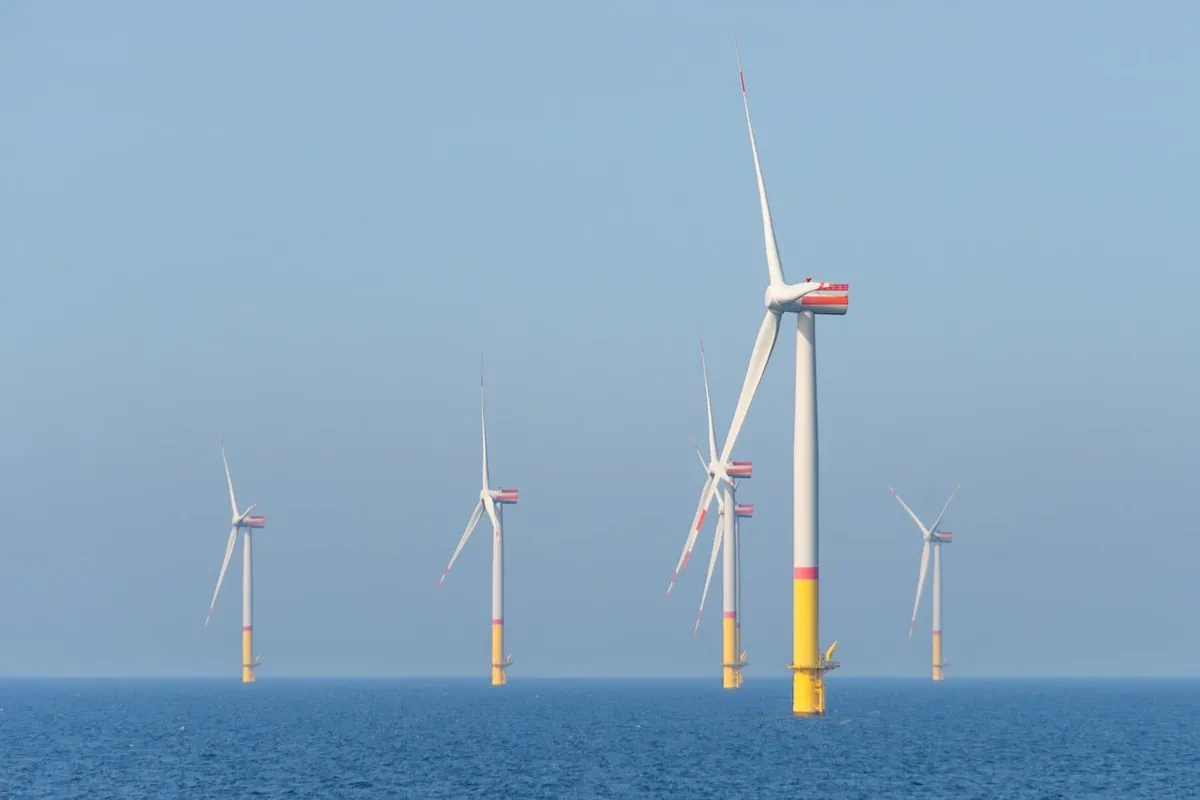
I personally reviewed the cost-per-megawatt shift when comparing early shallow-water data to modern floating projections. This comparison highlights how much the industry has matured since the late 2000s.
The limitation of these advancements is that the practical feasibility and per-unit economics of deep-water, floating-turbine offshore wind were not yet established during the early stages of development.
The subject here is Offshore wind tech progress.
The same subject is also called Grid integration wind.
This part also covers Smart grid wind integration.
Related
- AI solar efficiency boost: How to manage thermal loads
- Renewable energy economics: Why 44% supply is projected
What conditions necessitate the shift to floating technology as the horizon expands? The shift to floating platforms becomes necessary when the water depth exceeds the practical limitations of fixed-bottom structures. This condition dictates that deeper ocean areas, which hold significant wind resources, require a different engineering approach. The expansion of the horizon reveals vast areas where fixed foundations are simply not viable for installation.
This technological pivot is driven by the need to access stronger and more consistent winds found in deeper sea regions. The early financial hurdles associated with shallow-water installations underscored the limitations of those designs in more challenging environments.
Therefore, the evolving horizon demands solutions capable of surviving harsher, deeper conditions.
How does the comparison between early and modern costs illustrate industry maturity? Comparing the initial US$2.4-3 million per megawatt cost of shallow-water turbines to current floating projections reveals substantial industry maturation. This comparison demonstrates the reduction in deployment costs as technology advances toward standardization. The historical cost context provides a clear benchmark against which modern economic viability can be measured.
This financial evolution mirrors the technical progression from localized university projects to massive maritime energy hubs. The capability to project subsidy-free levels for UK floating wind shows a significant divergence from the early, high-cost installations.
Understanding this cost-per-megawatt shift is crucial for appreciating the current trajectory of offshore wind development.



Comments 0