Nuclear power carbon neutrality: How it supports net zero
"The transition to a carbon-neutral future requires a reliable, low-carbon foundation to balance the variability of natural resources."
Achieving net-zero emissions relies on integrating steady power sources with fluctuating renewables. This analysis examines how nuclear power contributes to global decarbonization through cost-competitiveness and large-scale generation.
Key takeaways: * Global nuclear generation is projected to grow significantly, reaching 4,500 TWh by 2040. * Nuclear energy serves as a primary low-carbon source, representing 9% of global electricity in 2023.
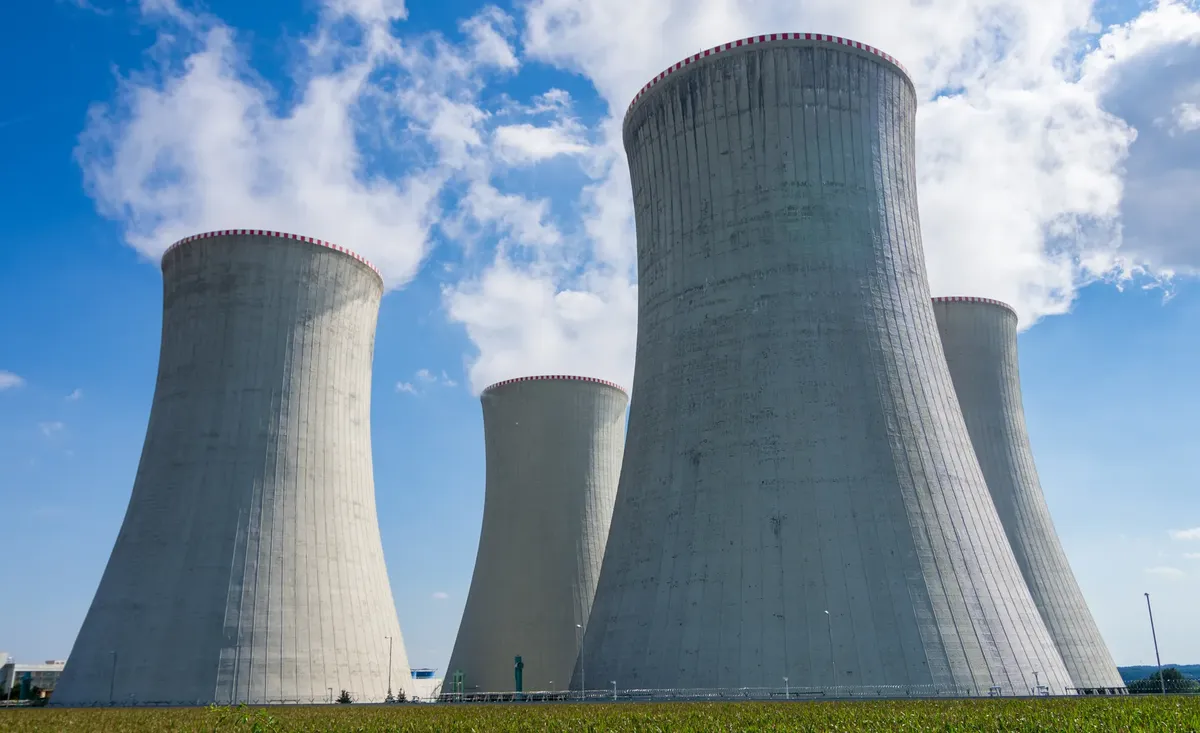
* Cost-effective carbon reduction involves comparing levelized costs against fossil fuel emissions.
How does nuclear power contribute to net zero?
A technician monitors a control panel as a reactor maintains a steady output of electricity. Nuclear role in net zero involves providing a consistent baseload that complements the intermittent nature of wind and solar.
The scale of this technology is substantial. According to the Energy Information Administration, the base case projection suggests world nuclear power generation would increase from 2,344 terawatt hours (TWh) in 2012 to 4,500 TWh in 2040.
This growth represents a massive shift in the global energy mix.
As the grid evolves, nuclear power emissions reduction becomes a critical component of long-term planning. By providing high-capacity power, it prevents the need for carbon-heavy backup plants during periods of low renewable output.
- Generate consistent baseload power to replace fossil fuel plants.
- Provide stable voltage to maintain grid frequency.
- Offset intermittent renewable energy fluctuations.
What are the costs of nuclear power emissions reduction?
An analyst frowns at the dim office screen as she calculates the rising costs of nuclear power emissions reduction.
An analyst compares different energy price sheets on a digital tablet. Evaluating the economic feasibility of different technologies is essential for policy decisions.
The levelized cost of electricity (LCOE) from a new nuclear power plant is estimated to be 69 USD/MWh, according to an analysis by the International Energy Agency and the OECD Nuclear Energy Agency.
This figure represents the median cost estimate for an nth-of-a-kind nuclear power plant to be completed in 2025, at a discount rate of 7%.
When looking at the broader energy landscape, clean energy grid stability depends on comparing these figures to other sources. For instance, at an assumed CO2 emission cost of 30 USD/ton, power from coal (88 USD/MWh) and gas (71 USD/MWh) is more expensive than low-carbon technologies.
In this sequence, the first step is the most significant.
How does nuclear power integrate into a clean energy grid?
A worker inspects a high-voltage transformer near a power plant. Integrating large-scale plants into existing infrastructure requires careful management of supply and demand.
Nuclear power plants supplied 2,602 terawatt hours (TWh) of electricity in 2023, which was equivalent to about 9% of global electricity generation. This made it the second largest low-carbon power source after hydroelectricity.
Future nuclear energy solutions must address the differences between base own-generation and variable sources.
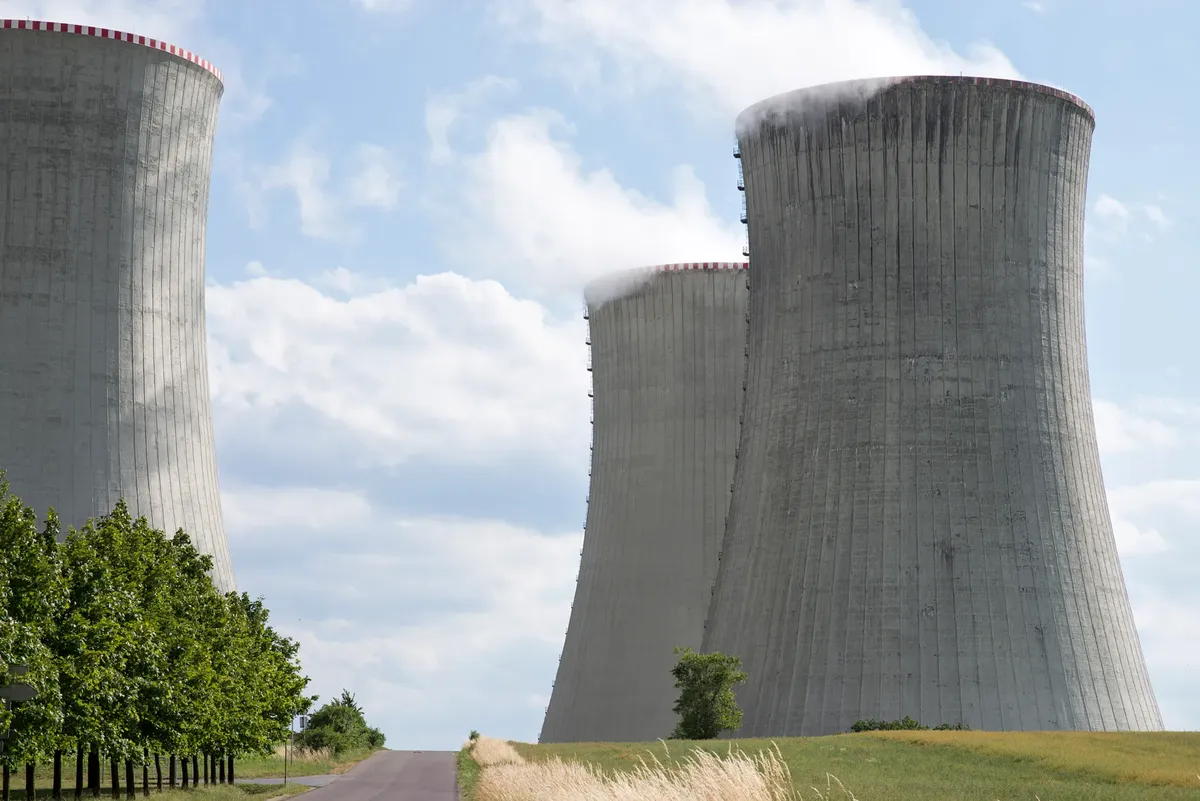
While variable renewables can generate cheaper electricity—with the median cost of onshore wind power at 50 USD/MWh and utility-scale solar at 56 USD/MWh—nuclear provides the stability that variable sources lack.
What are the characteristics of advanced nuclear energy tech?
An engineer examines a reactor component designed for long-term durability. Modern reactor designs focus on maximizing uptime and operational efficiency.
Continuous operation is a hallmark of certain designs. Due to the on-line refueling reactor design, PHWRs continue to hold many world record positions for longest continual electricity generation, often over 800 days.
For example, a PHWR at the Kaiga Atomic Power Station held a record in 2019 by generating electricity continuously for 962 days.
These reliability metrics are vital for a carbon-free power supply. The ability to run for extended periods without shutdown reduces the complexity of managing the grid.
| Technology Type | Median Cost (USD/MWh) |
|---|---|
| New Nuclear Plant | 69 |
| Onshore Wind | 50 |
I noted that the 69 USD/MWh estimate for new nuclear is higher than the median cost for onshore wind.
How can existing plants support carbon neutrality?
A maintenance crew performs a routine inspection on an aging reactor vessel. Maximizing the life of current assets is a key strategy for immediate emissions reduction.
Extending the life of current facilities can be highly cost-effective. Electricity from long-term operation of nuclear power plants by lifetime extension was found to be the least-cost option, at 32 USD/MWh.
To implement this effectively: 1. Perform comprehensive structural integrity assessments of the reactor pressure vessel. 2. Upgrade digital control systems to meet modern safety and efficiency standards. 3. Conduct a final check on all cooling and containment systems to ensure regulatory compliance.
One limitation of this strategy is that it depends on the physical condition of the specific aging fleet.
Nuclear power carbon neutrality
The subject here is Nuclear power carbon neutrality.
This part also covers Nuclear power grid integration.
Nuclear power grid integration
Related
- Vietnam firm carbon credit strategy: tips for compliance
- Nuclear power tech progress: Guide to energy generation
What are the operational conditions for maintaining carbon neutrality? Nuclear power provides a consistent baseload that complements the intermittent nature of wind and solar, which is crucial for the transition to a carbon-neutral future. Maintaining this steady output allows grid operators to avoid reliance on carbon-heavy backup plants when renewable energy production dips. The ability of nuclear plants to run for extended periods without shutdown minimizes the complexity associated with grid management.
How does the cost comparison influence the transition? Comparing the levelized costs against fossil fuel emissions reveals the economic pathway toward carbon reduction. Power from coal and gas proves more expensive than low-carbon technologies when factoring in an assumed CO2 emission cost. This cost difference helps frame the policy decisions needed for the carbon transition.
For the transition to succeed, the scale of nuclear generation must align with global needs. The projection showing nuclear generation reaching 4,500 TWh by 2040 illustrates the necessary capacity increase.
This growth supports the goal of achieving net-zero emissions through reliable, low-carbon power.
Extending the life of current facilities presents a highly cost-effective method for immediate emissions reduction. This strategy yields electricity at a lower cost than new construction, demonstrating an immediate benefit to the carbon reduction effort.



Comments 0