Renewable energy vs. nuclear power: the answer isn's simply "one or the other."
<!--img--> 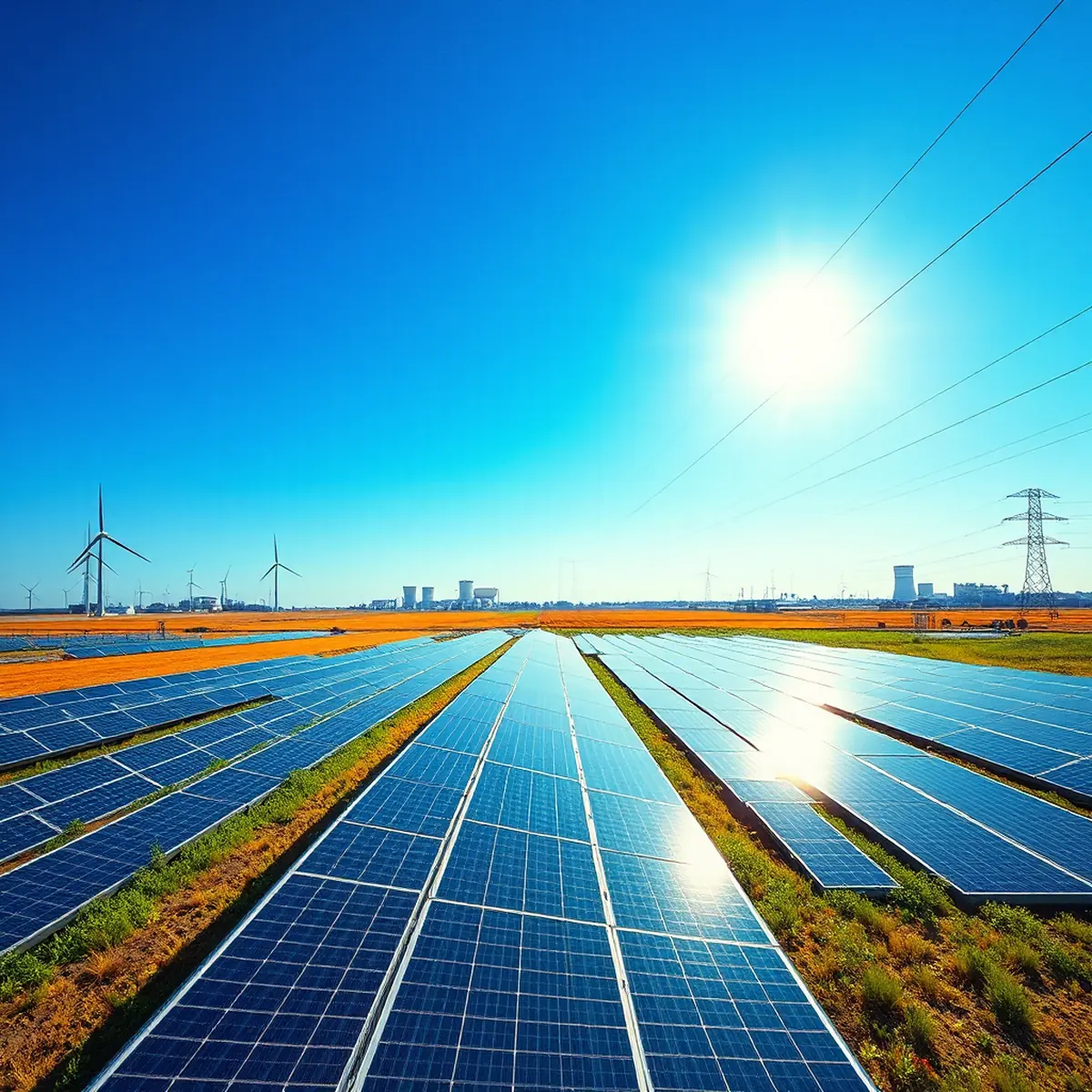
"Solar power is the answer" vs. "Nuclear power is the answer"—whenever energy discussions arise, these two arguments are constantly pitted against each other. However, in reality, energy policy is much more about "how to mix various sources of power (energy mix)" rather than simply choosing "one or the other."
Carbon Neutrality is Reshaping the Energy Landscape
Countries around the world are rapidly increasing the proportion of renewable energy sources like solar and wind power to reduce carbon emissions. The problem is that the amount of electricity generated fluctuates depending on the weather. If the sun doesn't shine or the wind doesn't blow, power generation stops. Therefore, there is a growing trend to re-evaluate nuclear power as a "baseload power" that can provide electricity stably 24 hours a day.
The Real Variable: "Exploding Electricity Demand"
Surprisingly, the hottest keyword in the energy industry these days is not "generation," but rather "demand."
- AI Data Centers: Facilities that consume massive amounts of electricity are growing exponentially.
- Electric Vehicle Adoption: Charging demand is adding a new burden on the power grid.
- Electrification: As industries and heating systems switch to electricity, demand is structurally increasing.
- Limitations of Transmission Grids: Even with increased generation, the problem of a lack of "ways to transmit" electricity is becoming more prominent.
Storage and Transmission are Key Challenges
Energy storage systems (ESS), which store excess electricity for later use, and transmission grids that can reliably transmit electricity over long distances have emerged as new areas of focus.
Now, "how to store and transmit" is just as important as "how much to generate."
Each Power Source Has Its Own Strengths and Weaknesses
The fact that no single power source is perfect is why an energy mix is necessary.
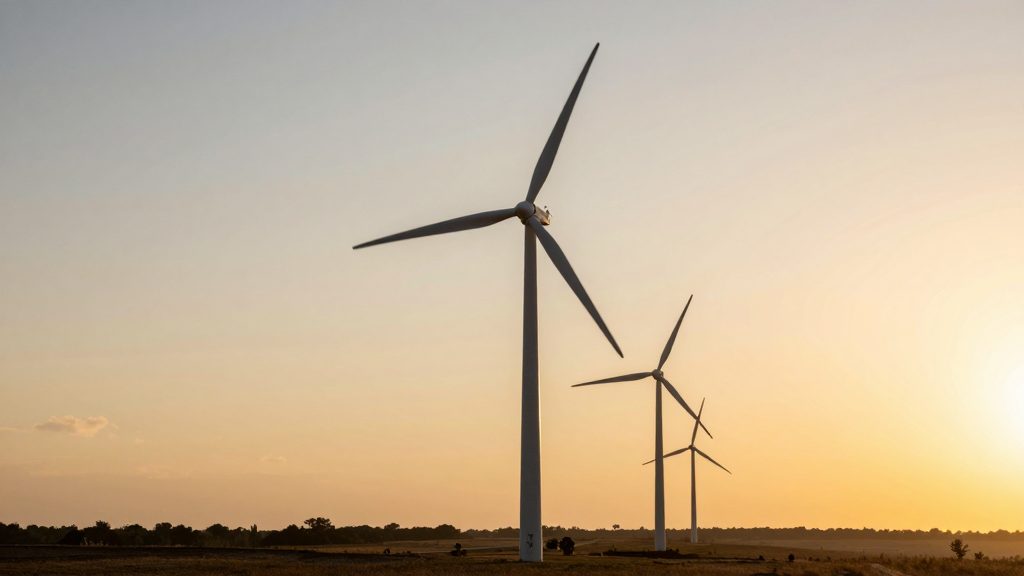
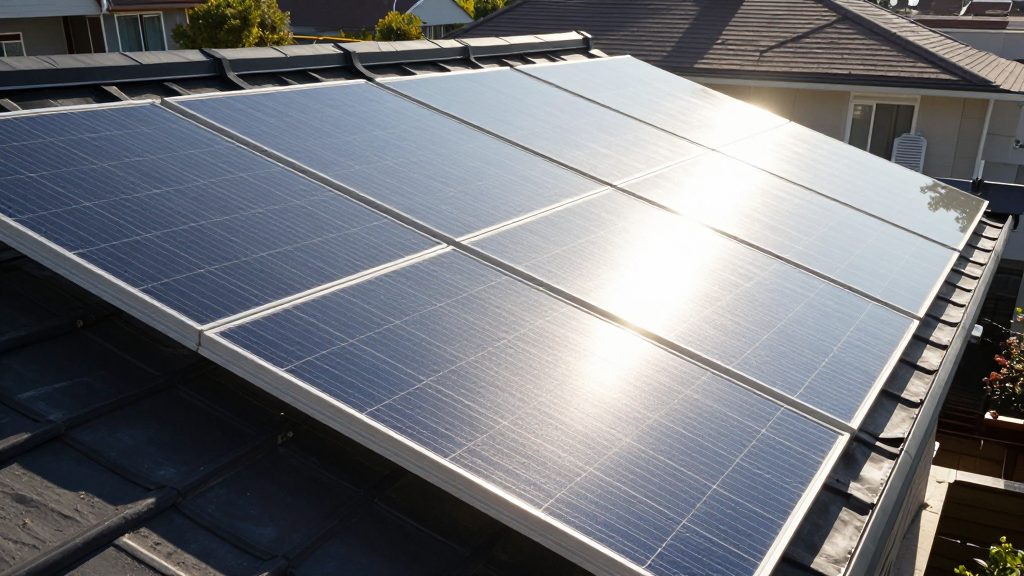
- Solar and Wind: They don't require fuel costs and are clean, but the amount of electricity generated fluctuates depending on the weather.
- Nuclear Power: It can provide a stable and large supply of electricity, but it has long construction times and burdens related to waste disposal and safety management.
- Gas and Coal: They can quickly adjust output, but they emit carbon.
- Hydrogen and ESS: They are expected to supplement variable sources, but costs and infrastructure remain challenges.
Frequently Asked Questions
- Can we meet all our needs with renewable energy alone? While the proportion can be significantly increased as technology and storage infrastructure improve, a complementary power source is needed in the short term to address variability.
- What is most important in the end? Rather than a single answer, a "combination" that balances stability, economic viability, and carbon reduction is key.
Energy Today covers renewable energy, nuclear power, electricity, hydrogen, oil prices, and policies, providing a comprehensive overview of the energy industry.
<!--enr--> ## Quick Comparison
| Aspect | Option A: Renewable Energy-Centric | Option B: Nuclear Plus Diversified Energy Mix |
|---|---|---|
| Core Strategy | Expand solar and wind power to achieve carbon neutrality | Use nuclear as base load, complement with variable sources |
| Reliability | Power generation fluctuates with weather; 24/7 supply challenging | Consistent, large-scale year-round power generation |
| Environmental Impact | Zero emissions; uses renewable resources | Radioactive waste and ongoing safety management burden |
| Demand Response | Struggles to meet rapidly rising electricity demand from AI data centers and electric vehicles | Leverages existing infrastructure; flexible generation adjustment |
| Key Challenge | Requires expansion of ESS (Energy Storage Systems) and transmission networks | Needs diversification of generation sources alongside storage and transmission infrastructure |
Frequently Asked Questions (FAQ)
Q1. Can carbon neutrality be achieved using only renewable energy? Currently, achieving carbon neutrality with renewable energy alone is challenging given existing technology and infrastructure levels. Due to their variability based on weather conditions, complementary power sources such as nuclear or gas-fired plants are still needed to ensure a stable base-load electricity supply.
Q2. Is nuclear power in competition with renewable energy? No. Nuclear power is more complementary than competitive to renewable energy. It can play a vital role in balancing the variability of renewables and ensuring 24/7 reliable electricity supply.
Q3. What is driving the rapid increase in power demand? Structural increases in electricity demand are driven by the expansion of AI data centers, growing adoption of electric vehicles, and electrification across industry and heating sectors. These trends are pushing existing power grids to their capacity limits.
Q4. What roles do energy storage and transmission networks play in the energy mix? Energy Storage Systems (ESS) store excess electricity for use when needed, while transmission networks are critical infrastructure that reliably deliver power generated at distant plants. The success of the entire electricity system hinges on how effectively we store and transmit energy.
Related posts
Why do solar panels last for over 20 years? Here are 5 key principles that support their
Five Key Considerations for the Transition to Renewable Energy.
Solar vs. Wind: What are the criteria for choosing the right energy source to meet
Solar-powered auxiliary batteries: Why are they now a necessity?
Popular posts
Why do solar panels last for over 20 years? Here are 5 key principles that support their
Five Key Considerations for the Transition to Renewable Energy.
Solar vs. Wind: What are the criteria for choosing the right energy source to meet
Comments 0